
Southeast Asia is one of the most linguistically diverse regions in the world. From bustling capitals to rural communities, languages shape identity, culture, and daily interaction. Therefore, understanding the role of languages in the region is essential for travelers, businesses, and global organizations seeking meaningful engagement across the region.
So, whether you are expanding operations, entering new markets, or simply learning about ASEAN cultures, this is for you.
TL;DR
The SEA region is home to over 1,000 languages, making it a premier hub for linguistic diversity. Within this region, five main language families dominate the landscape. By understanding these roots, travelers and businesses can better navigate the local culture.
What Makes Languages in Southeast Asia So Diverse?
This area is extremely linguistically rich. In fact, more than 1,200 languages and dialects are spoken throughout it. Specifically, these languages belong to five major language families, including Austronesian, Austroasiatic, Kra–Dai, and Sino-Tibetan.
Furthermore, nine national languages serve as official tongues. While these include English, Filipino, Thai, and others, the diversity does not stop at official status. As a result, many natives are bilingual or even trilingual. At home, they may use a regional dialect, whereas in education and business, they often shift to a national language.
For example, the Philippines officially uses Filipino and English. Meanwhile, Indonesia recognizes Bahasa Indonesia as its national language, even though more than 800 regional languages exist.
What Are Common Greetings in Southeast Asia?
Learning local greetings is often the first step toward respectful interaction. Accordingly, knowing how to say “hello” or “thank you” can leave a positive impression.
Below are some commonly used greetings:
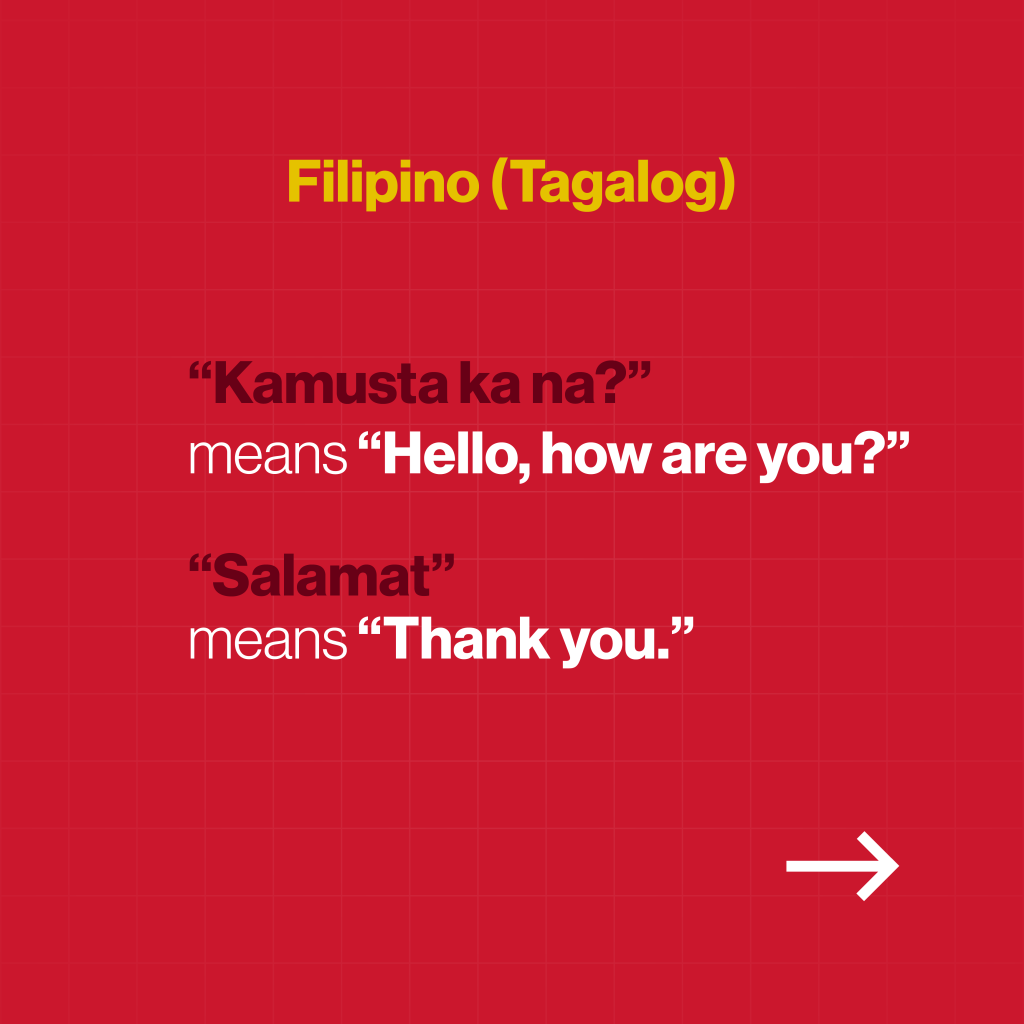
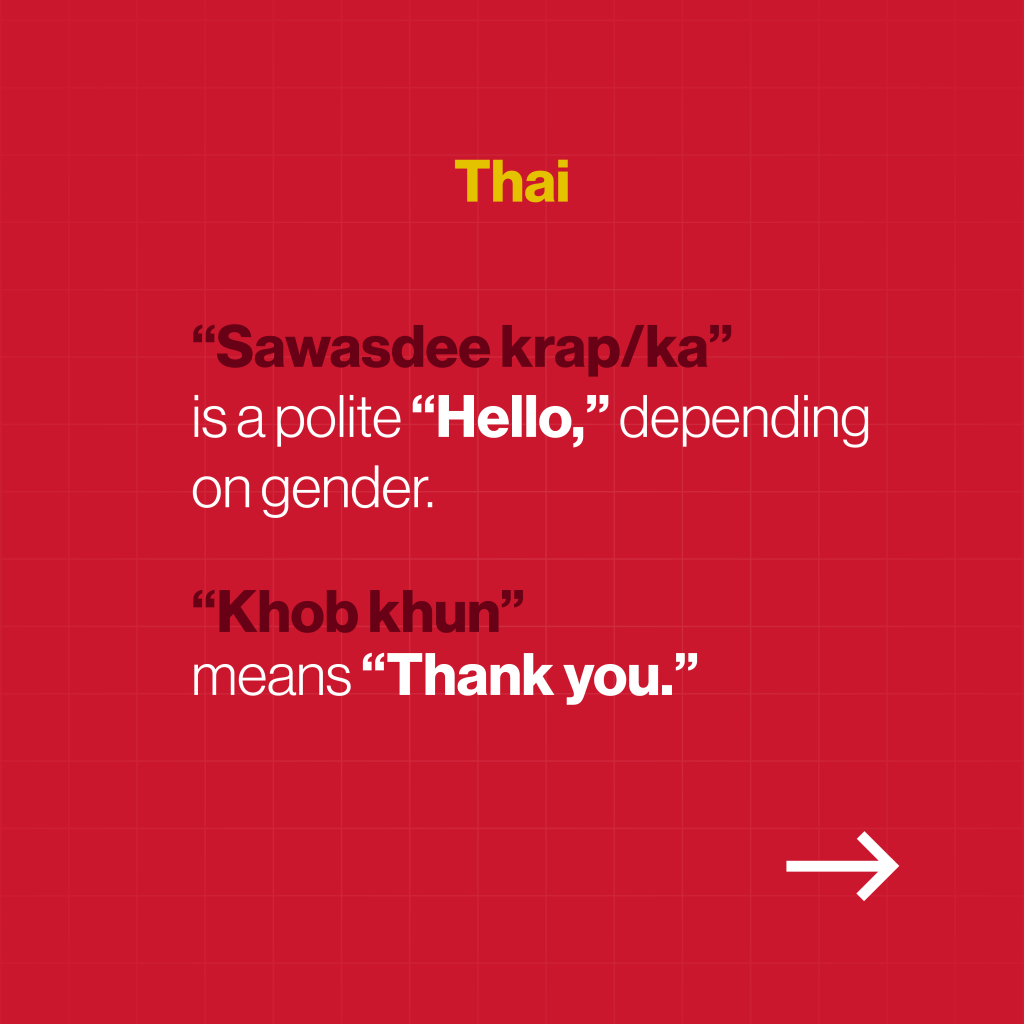
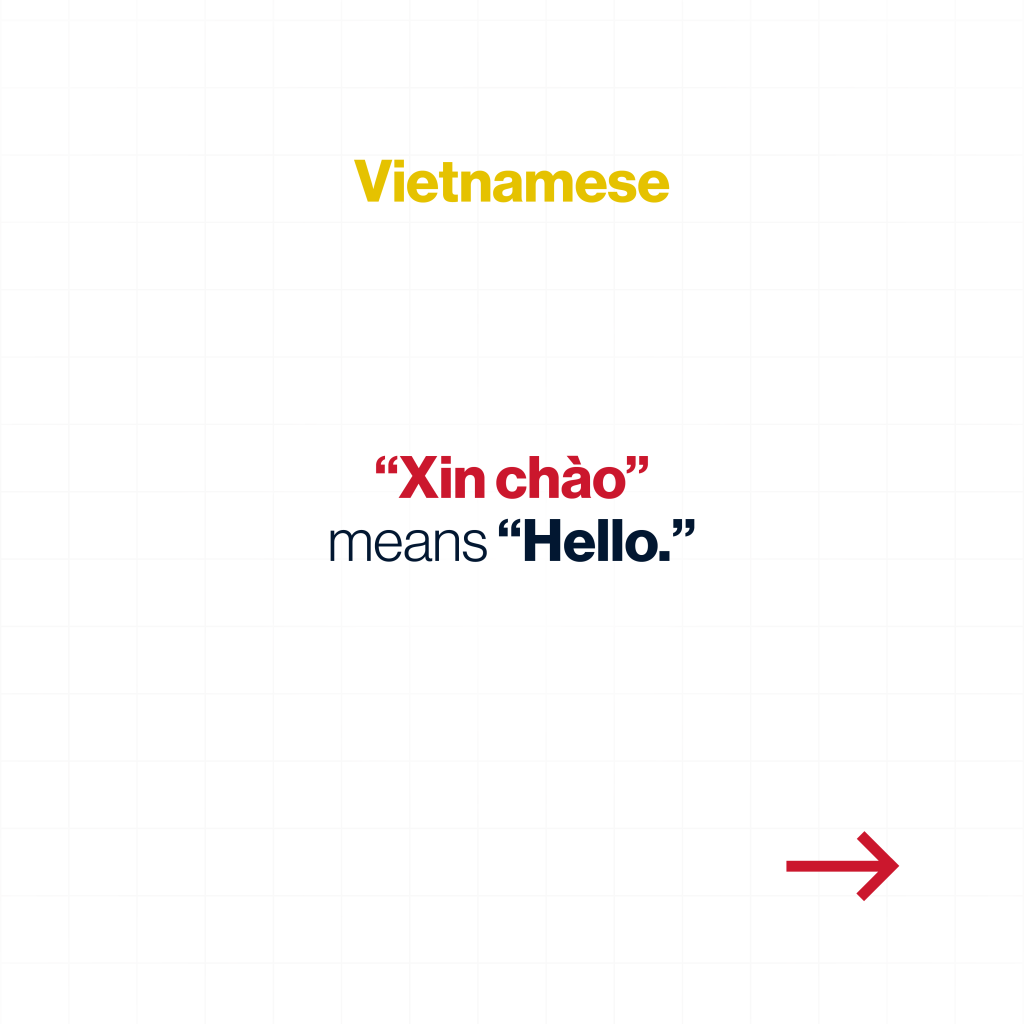
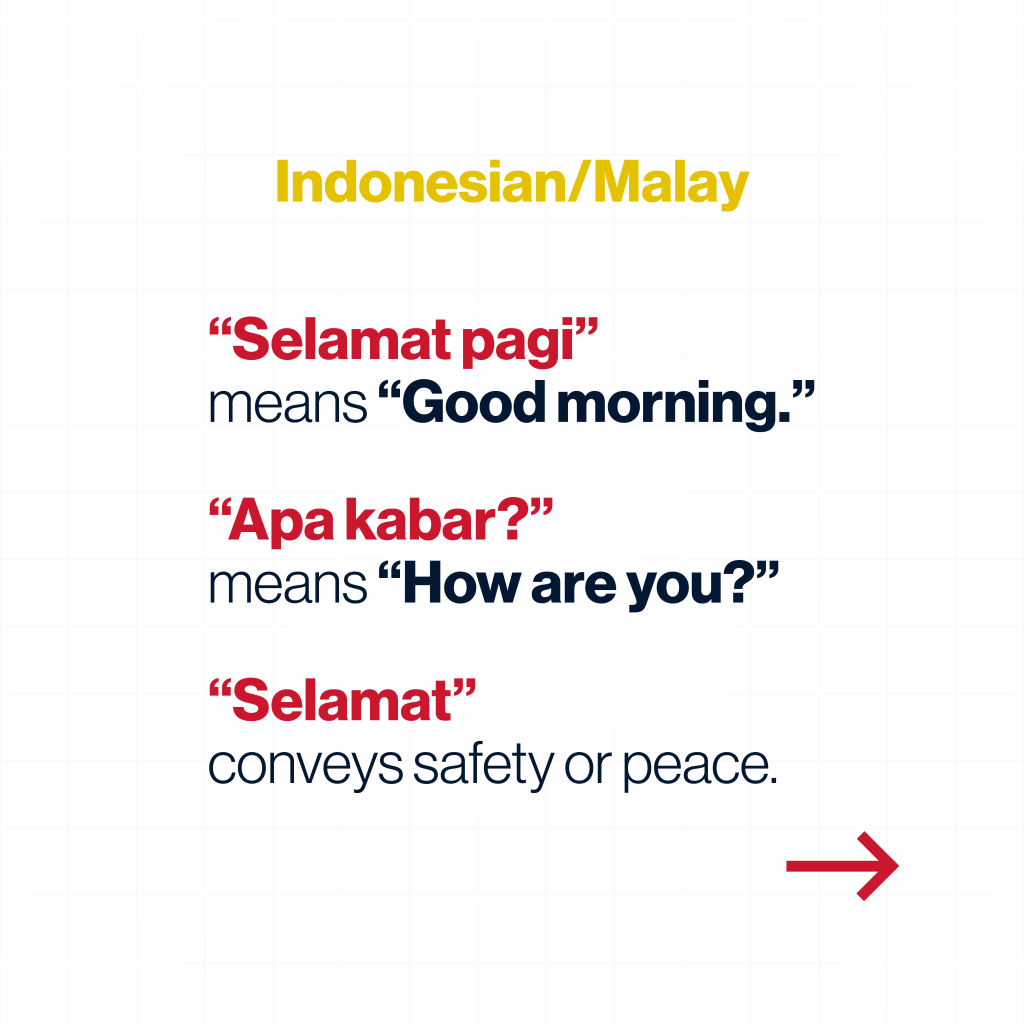
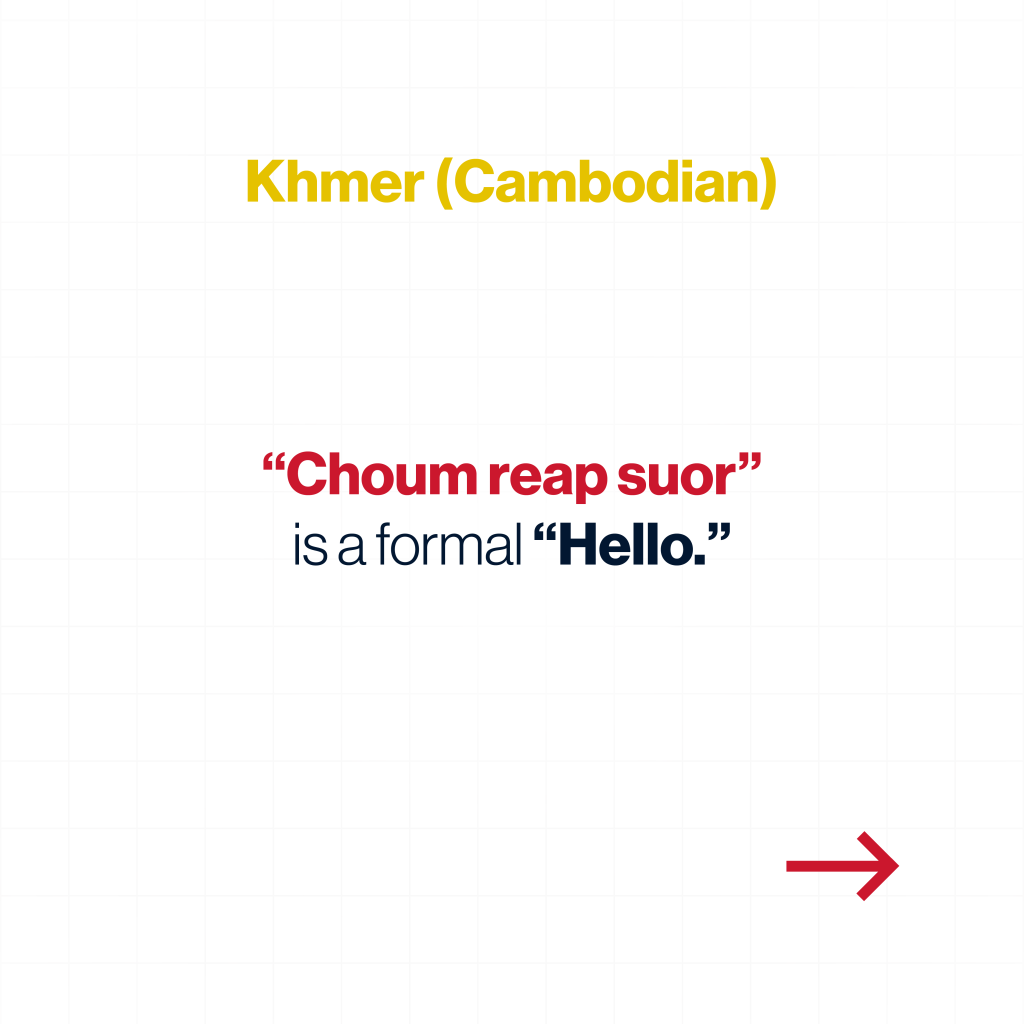
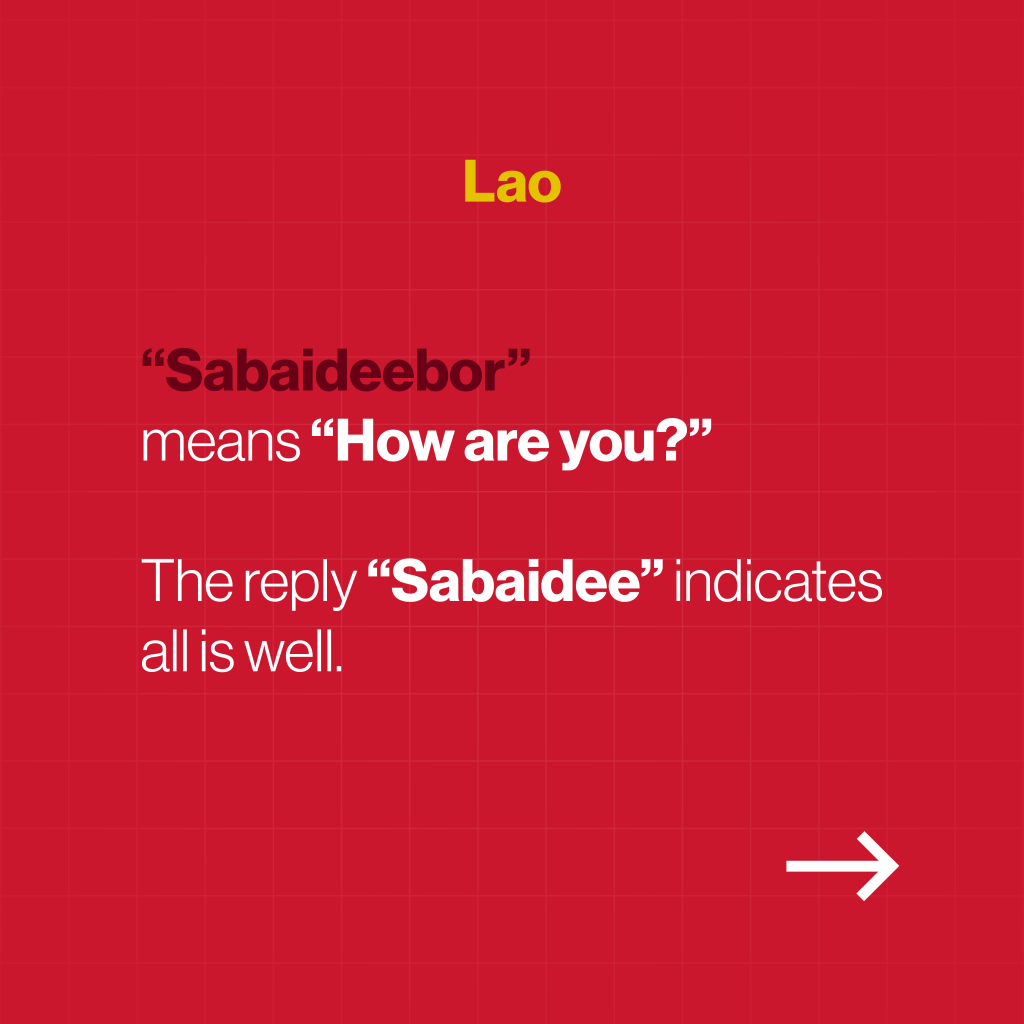
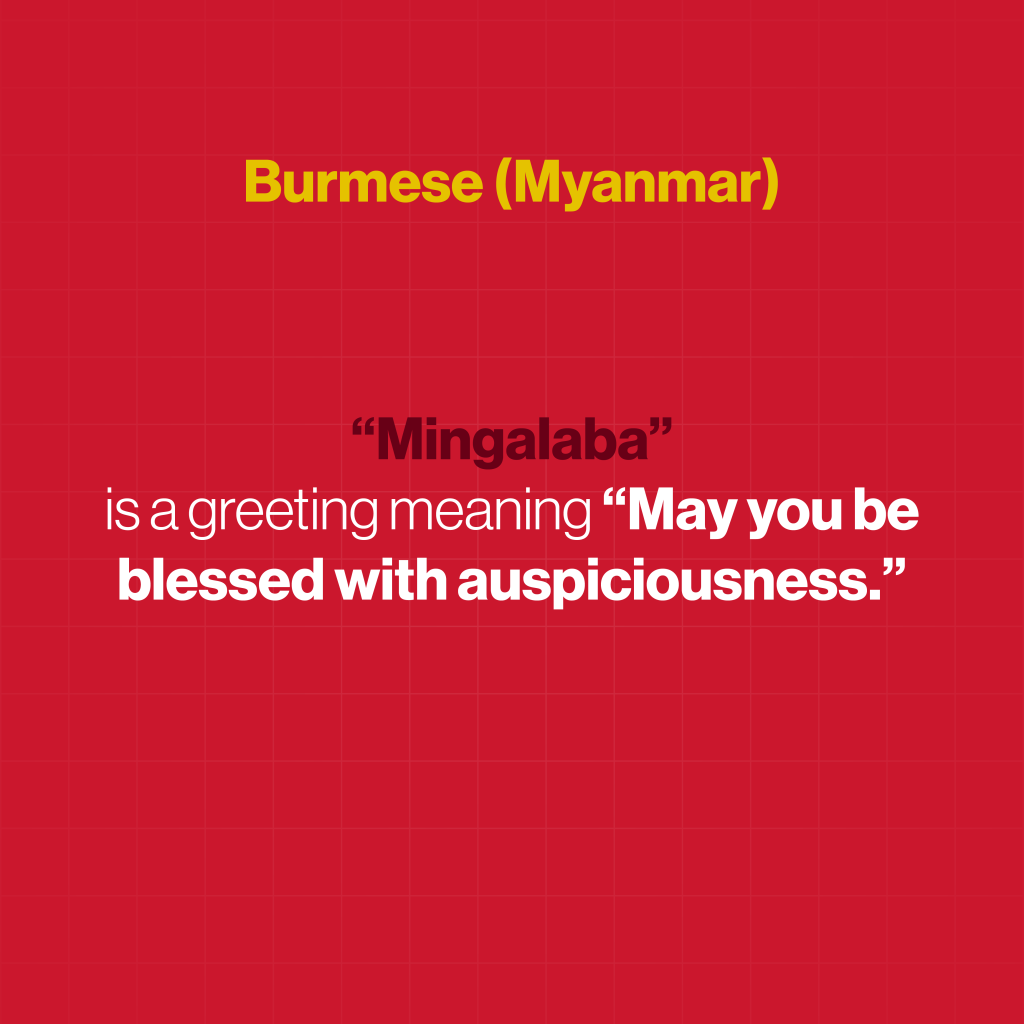
Nonetheless, greetings often go beyond words. Namely, in Thailand, the wai gesture accompanies “Sawasdee.” In Vietnam, a respectful bow may complement “Xin chào”. Essentially, using local greetings signals respect. Hence, it often results in warmer and more productive exchanges.
Cultural Reminders in Southeast Asia
While greetings open conversations, other phrases sustain them. Thus, learning essential expressions such as “please,” “thank you,” and “goodbye” strengthens communication.
For example:
- In Indonesian/Malay, “Terima kasih” means “Thank you”
- For many cultures, tone and gesture influence meaning
- When in Thailand, the wai can express hello, gratitude, or apology depending on context.
Ultimately, even limited familiarity with Languages in the region can enhance cross-cultural understanding. Hence, businesses and travelers alike benefit from linguistic preparation.
How Elite Translations Support Languages in Southeast Asia
Elite Translations specializes in navigating the complexities of any given language. With over 15 years of experience, we provide language solutions that prioritize accuracy and cultural sensitivity.
Our relevant services include:
- Document Translation
Translate business, legal, and technical documents across major Southeast Asian languages with precision - Interpreting Services
Provide simultaneous and consecutive interpreting for meetings, conferences, and negotiations - Localization Services
Adapt websites, marketing materials, and software to align with local linguistic and cultural expectations - Multimedia Services
Deliver subtitling, transcription, and voice-over solutions for multilingual audiences
By partnering with Elite, organizations can confidently communicate across ASEAN markets. Moreover, our team ensures that language nuances and cultural context are properly addressed.
Ready to Communicate Across Languages?
Understanding language is the first step. Still, implementing accurate multilingual communication requires expertise
Contact Elite Translations to ensure your content is translated, localized, and culturally aligned for diverse audiences.
FAQs
Q: How many languages are spoken in Southeast Asia?
A: Altogether, there are over 1,200 languages and dialects spoken across the region.
Q: Are Southeast Asians typically multilingual?
A: Yes. Many individuals speak a regional dialect at home and a national language for education or business.
Q: What is an example of a common Southeast Asian greeting?
A. For example, common greetings include “Kamusta ka na?” in Tagalog, “Sawasdee” in Thai, and “Xin chào” in Vietnamese.