
This Spain Student Visa Guide is an essential resource for Filipinos planning to study in Spain for more than 90 days. Whether you’re pursuing a degree, joining an internship, or participating in an exchange program, securing the right student visa is the first step to making your academic goals a reality.
However, getting your visa approved requires more than just enthusiasm. From strict document requirements to language barriers, one misstep can delay your plans. Therefore, understanding the full process—and preparing each requirement with care—is key to avoiding setbacks and ensuring a successful application.
Step-by-Step Primer on Spain Student Visa Guide
Before anything else, aspiring Filipino students must secure admission to an accredited school or university in Spain. This typically begins with selecting a program and obtaining an official letter of acceptance or enrollment.
While many institutions offer English-taught courses, having a foundation in Spanish can help ease the transition to life abroad. In fact, basic language skills not only improve your day-to-day experience but can also support your academic performance.
Once admitted, your next steps include preparing financial documents, researching accommodation, and gathering visa requirements. These often include:
- Your passport and birth certificate
- Academic transcripts and proof of graduation
- Proof of sufficient funds—Spain generally expects around €600 per month (roughly PHP 36,000)
- Health and police clearance certificates, among others
You must also verify the current application procedure with the Spanish Embassy in Manila or BLS International, Spain’s authorized visa processing partner in the Philippines. Hence, early planning is critical to avoid rushing or missing deadlines.
Spain Student Visa Guide: Application Process and Timeline
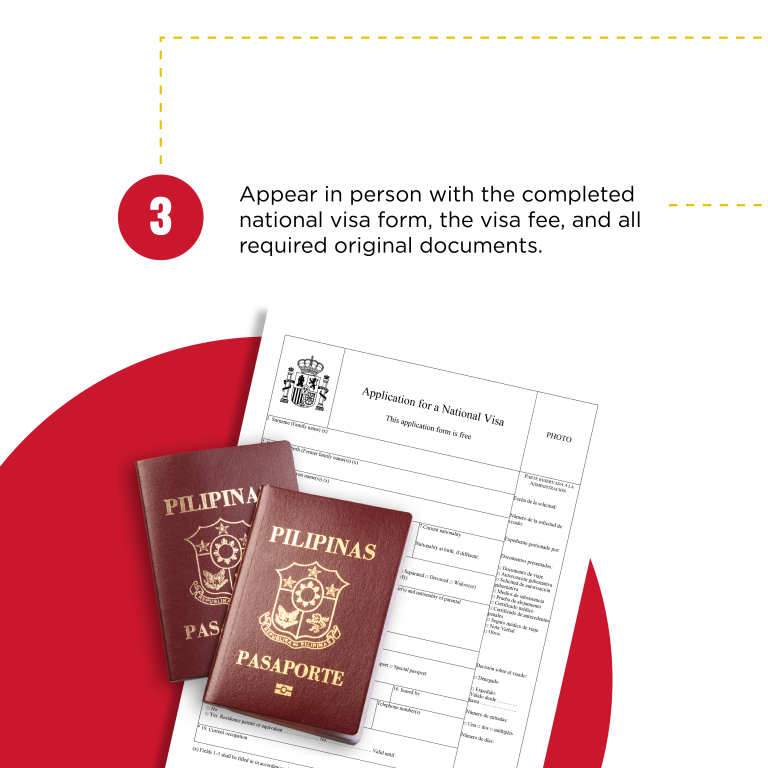
To apply for a student visa, you must secure an appointment at either the Spanish Embassy in Manila or the BLS Visa Center. Applications are accepted starting 90 days before your course begins, so timing is everything.
Here’s how the process works:
- Book your appointment at least 2–3 months before your intended departure.
- Appear in person with the completed national visa form, the visa fee, and all required original documents.
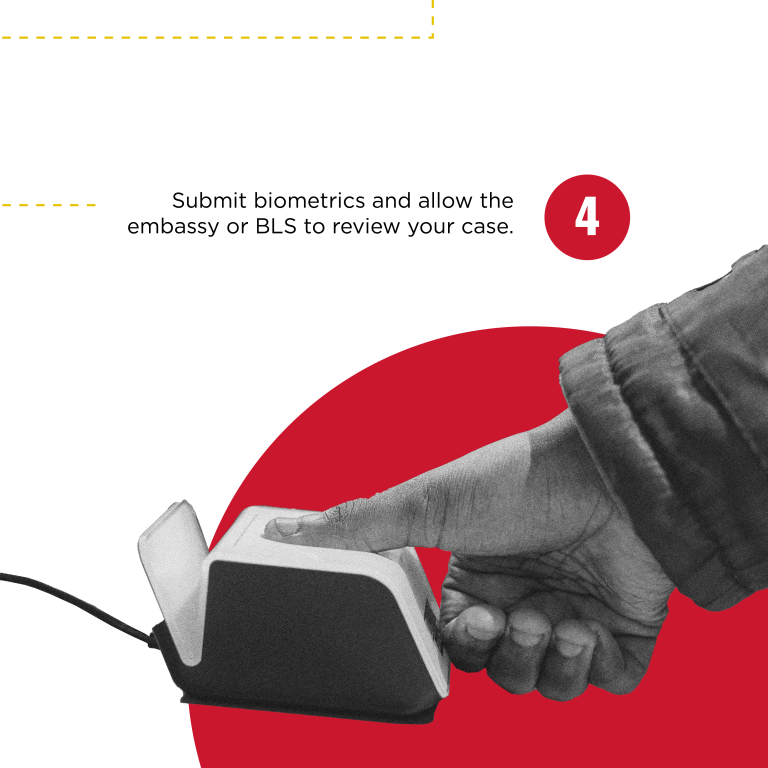
- Submit biometrics and allow the embassy or BLS to review your case.
Visa processing typically takes 4–8 weeks, depending on the volume of applications and the completeness of your paperwork. Therefore, keep multiple copies of every document and avoid last-minute submissions that can derail your plans.
Spain Student Visa Guide: Essential Requirements to Prepare

Each application must include specific documentation. While some may vary depending on your profile, the following are the core requirements:
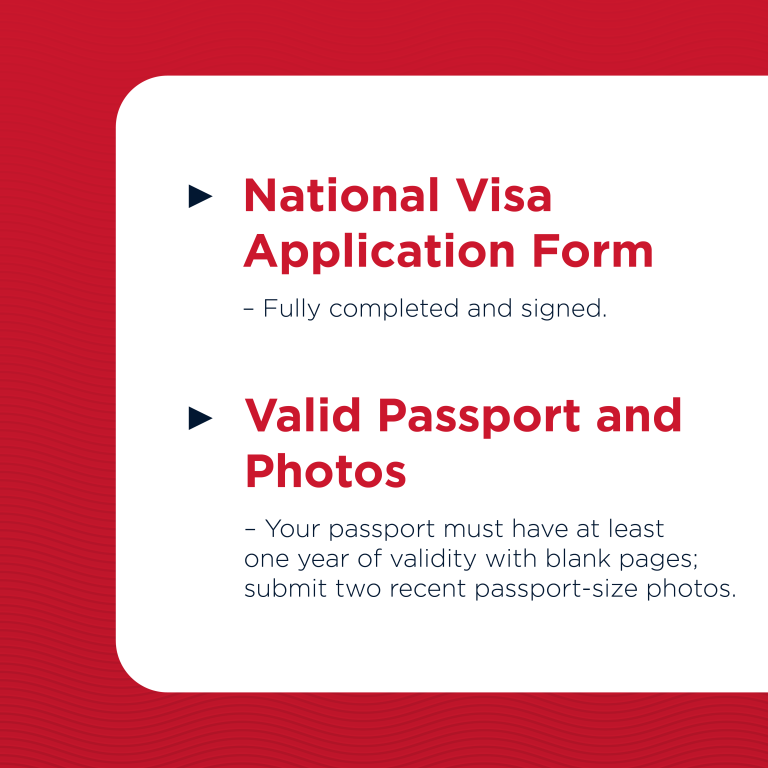
- National Visa Application Form – Fully completed and signed.
- Valid Passport and Photos – Your passport must have at least one year of validity with blank pages; submit two recent passport-size photos.
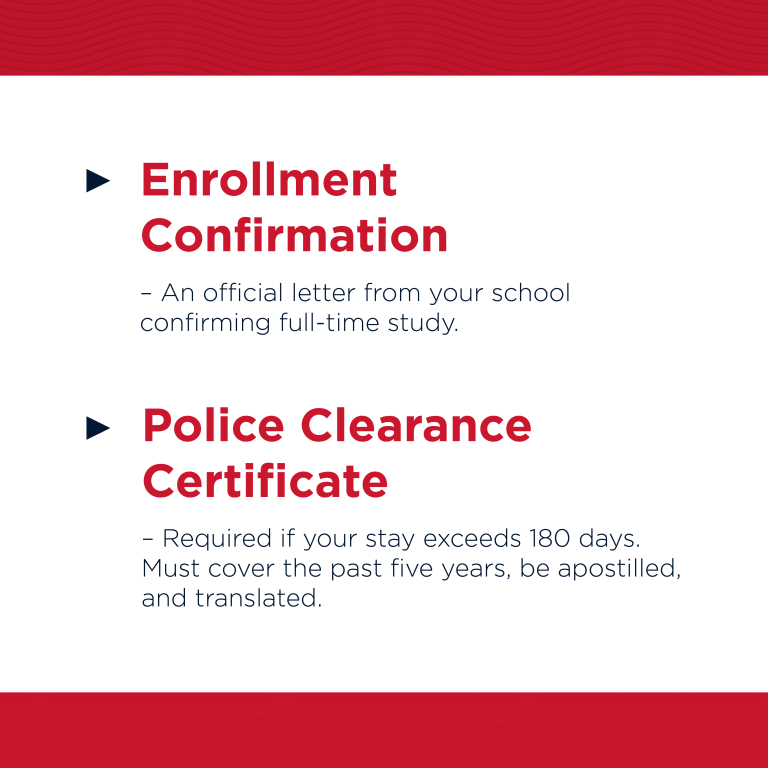
- Enrollment Confirmation – An official letter from your school confirming full-time study.
- Police Clearance Certificate – Required if your stay exceeds 180 days. Must cover the past five years, be apostilled, and translated.
- Medical Certificate – For stays over six months, this document must follow the Spanish Embassy’s template, be issued within the last three months, and translated if not in Spanish.
- Proof of Accommodation – A lease or letter showing where you’ll reside during your studies.
In addition, minors or exchange students may need to submit extra documentation such as guardian permissions, birth certificates, or institution letters. Crucially, all non-Spanish documents must be apostilled and translated into Spanish by a certified translator.
So, double-check the consulate’s latest checklist before submitting your application.
Spain Student Visa Guide: Visa Validity and the TIE
The length of your Spain student visa directly reflects the duration of your program.
If your stay lasts less than 6 months, you receive a short-term visa that covers your entire course.
However, if your program exceeds 6 months, the authorities issue a 90-day national visa. Within 30 days of arriving in Spain, you must apply for a TIE (Tarjeta de Identidad de Extranjero), which serves as your Foreigner Identity Card.
The TIE provides long-term residence and lasts for 12 months. You renew it 60 days before it expires by staying enrolled in a qualifying program. Many students start with a one-year visa and extend it when they continue their studies.
What is a Spain Type D Visa?
If you’re applying to study in Spain for more than 6 months, you’ll be issued a Type D visa—a national long-term visa required for non-EU/EEA citizens, including Filipinos. While this visa allows you to enter Spain, it also serves as the first step toward acquiring temporary residency during your studies.
Here are a few key points every student should know about the Type D visa:
It’s a national visa category.
The Type D visa is intended for long-term stays and is valid for students enrolled in full-time programs at recognized institutions, including universities and accredited language schools.An interview is required.
You must appear in person at the Spanish Embassy or consulate for an interview. Be ready to present and explain your documents to embassy officials.Financial self-sufficiency is a major requirement.
You’ll need to show at least €8,000 (approx. PHP 500,000) in your bank account to cover one year of stay. Alternatively, your parents or legal guardians may act as sponsors by submitting a declaration, bank statements, and a legalized copy of their passport.It comes with obligations upon arrival.
Once in Spain, you have 30 days to apply for your TIE (Foreigner Identity Card) and get your NIE (Foreigner Identification Number). These are essential for daily life, including opening a bank account or accessing public services.It opens doors for work and extension.
Students holding a Type D visa may be eligible to work part-time (typically up to 20 hours per week) and can renew their visa yearly. Over time, it may also lead to residency if you continue your studies or transition into a work permit.
Because of its broader legal implications, the Type D visa is more than just a student entry visa—it establishes your presence in Spain as a temporary resident.
Therefore, understanding this visa’s conditions and timelines is crucial for long-term planning. Make sure to clarify all your obligations with the Spanish Embassy or your visa processor (like BLS International) before departure.
Elite Translations: Supporting Students Through Certified Translation
For many Filipino applicants, one of the biggest challenges is meeting Spain’s strict translation requirements. Every non-Spanish document—from police clearances to diplomas and sponsorship letters—must be translated by a sworn translator. This is where Elite Translations comes in.
As a trusted language solutions provider, Elite Translations offers:
- Certified translations of PSA birth certificates, academic transcripts, diplomas, affidavits, and more—prepared in compliance with Spanish consular standards.
- Translation Notarization to ensure your documents are legally recognized in Spain.
- Formatting and content checks to avoid inconsistencies that could delay your visa.
- Fast turnaround time to make sure that your submissions make their intended deadlines.
Elite understands the nuances of immigration documentation and visa timelines. Our team translates your documents accurately, completes all requirements, and formats everything correctly—so you can focus on your studies, not the paperwork.
Ready to Study in Spain?
The Spain student visa process overwhelms many applicants fast. Booking appointments, preparing documents, and managing requirements can easily lead to mistakes that delay your plans or prevent you from starting school on time.
Elite Translations keeps you on track. We translate your documents into Spanish, process your apostille, and review every requirement thoroughly to ensure everything meets embassy standards.
Contact Elite Translations today and take the first step toward studying in Spain with confidence. Because when your documents are in order, your dreams are already one step closer.
Frequently Asked Questions (FAQ)
- Can I apply for a Spain student visa without a confirmed school enrollment?
No. You must have an official acceptance or enrollment letter from a recognized Spanish institution before applying. - How early should I apply for my Spain student visa?
You can apply up to 90 days before your course begins. It’s best to submit your application at least 2–3 months in advance to allow for processing time. - Do all documents need to be translated into Spanish?
Yes. Any document not originally in Spanish must be apostilled and translated by a certified (sworn) translator, especially official records like police clearances, medical certificates, and diplomas.