

Filipinos applying for work or school abroad, or global organizations expanding their reach, frequently encounter the need for official document translations. However, the terminology used by foreign institutions for certified and sworn translations are not interchangeable terms.
In fact, these two types of translation serve distinct functions and must be chosen based on each destination country’s requirements. Understanding the fundamental difference is crucial, as the wrong certification type can lead to frustrating delays or outright rejection.
This comprehensive guide will clarify the differences between certified and sworn translations, dispel common misconceptions, and show why knowing which one you need is crucial when dealing with foreign authorities.
TL;DR
Certified translations include a signed statement from the translator or agency, declaring that the translation is a complete and accurate rendition of the original document. Conversely, sworn translations are legally binding documents produced by a government-authorized translator who has taken an official oath.
When is a Certified Translation Sufficient?
A certified translation serves as the most common form of assurance for official documents. It includes a formal, signed statement from the translator or the translation agency. This statement confirms that the translation fully and accurately reflects the original document to the best of the translator’s knowledge and ability.
However, it is important to understand that a certified translation does not inherently carry the same judicial authority as a sworn translation.
Certified translations are typically sufficient and widely accepted in countries that follow a common-law legal system, such as the United States (US), the United Kingdom (UK), and Canada.
What is a Sworn Translation?
A sworn translation represents a more specialized and legally rigorous form of official translation. Moreover, the distinction between a sworn and certified translation stems from the translator’s legal authority and the translated document’s legal standing.
A Sworn Translation is characterized by the following:
- Produced by a translator officially authorized by a government or court
- Carries the translator’s official stamp or seal
- Includes the translator’s signature and an official affidavit
Hence, a sworn translation constitutes a legal process, not merely a linguistic one. The translator assumes legal responsibility, and courts may call the translator to testify about the accuracy of the work.
Top 5 Countries Requiring Sworn Translations
When applying internationally, particularly in civil-law jurisdictions, authorities often require an authorized sworn translation instead of a standard certified or notarized one.
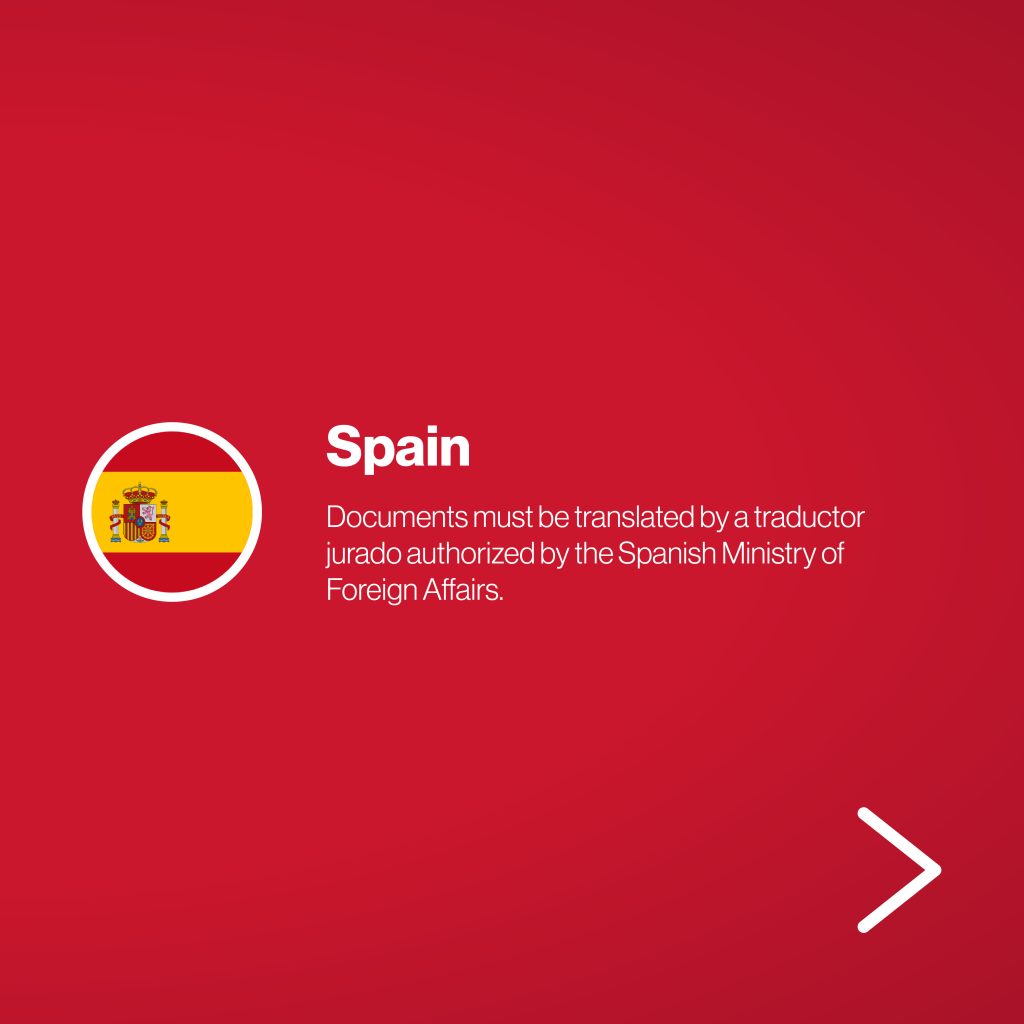
1. Spain
Documents must be translated by a traductor jurado authorized by the Spanish Ministry of Foreign Affairs.
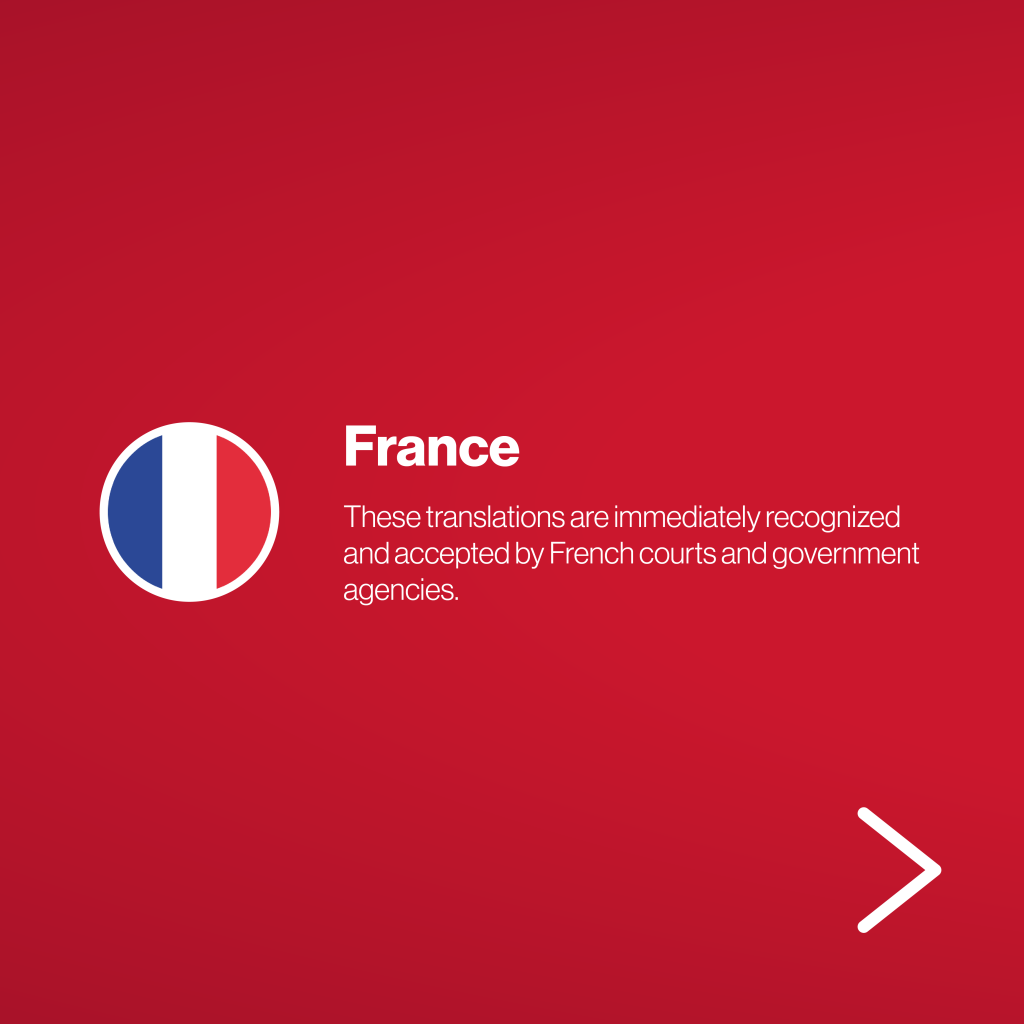
2. France
These translations are immediately recognized and accepted by French courts and government agencies.
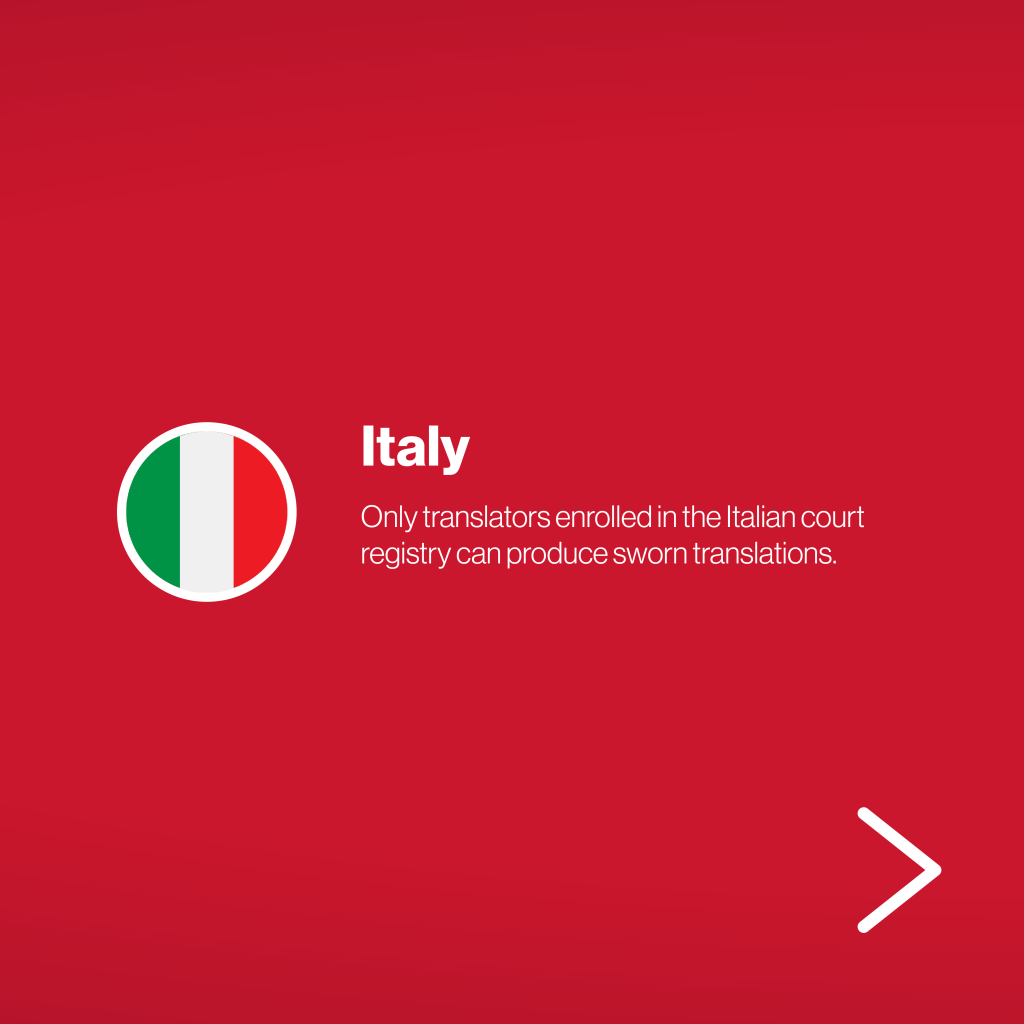
3. Italy
Only translators enrolled in the Italian court registry can produce sworn translations.
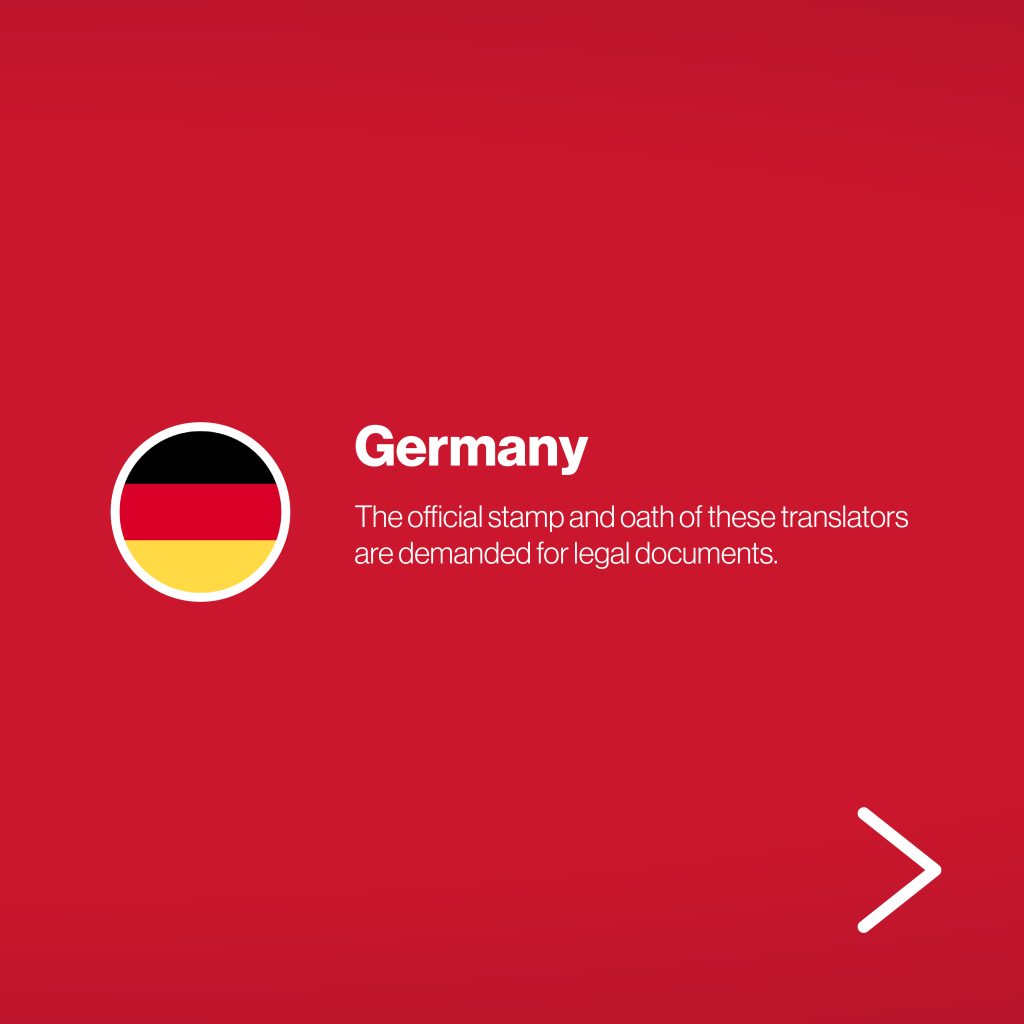
4. Germany
The official stamp and oath of these translators are demanded for legal documents.
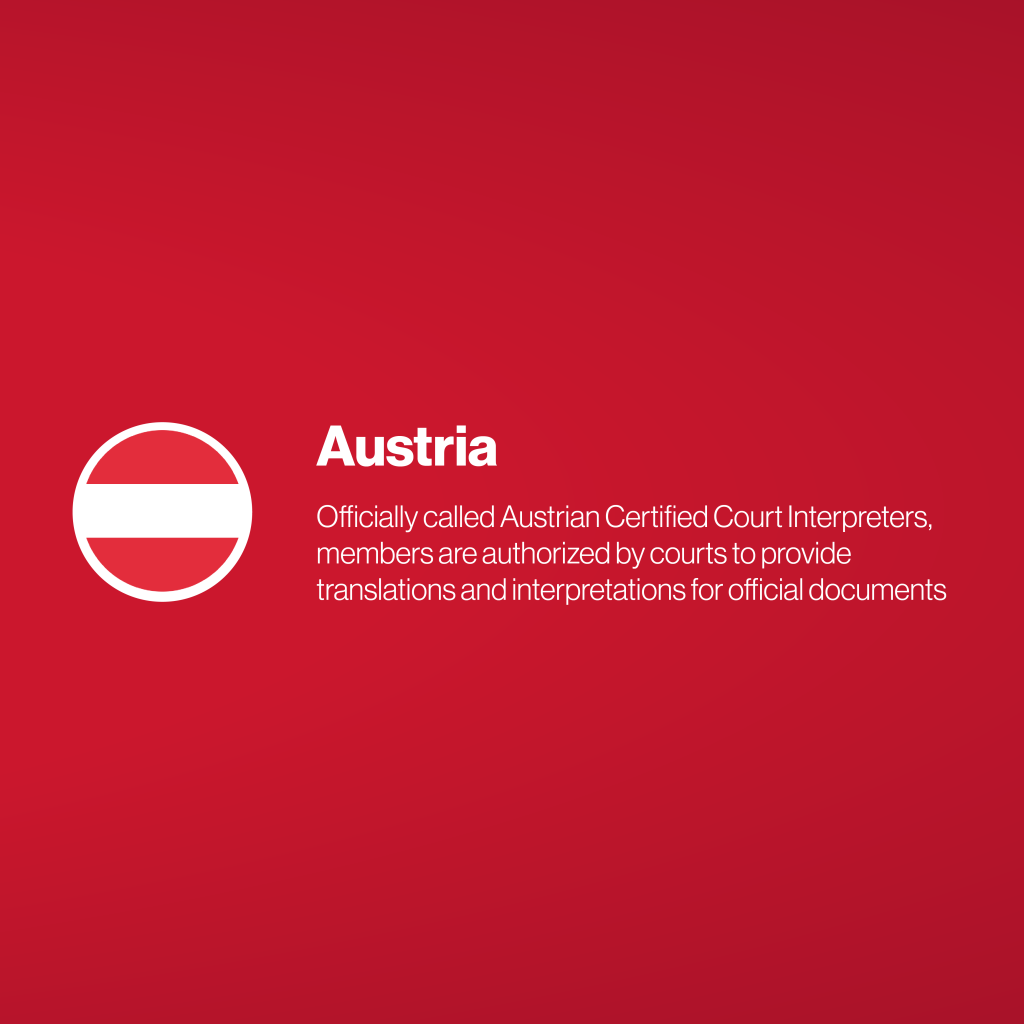
5. Austria
Officially called Austrian Certified Court Interpreters, members are authorized by courts to provide translations and interpretations for official documents.
Can a Notarized Translation Be Used Instead of a Sworn Translation?
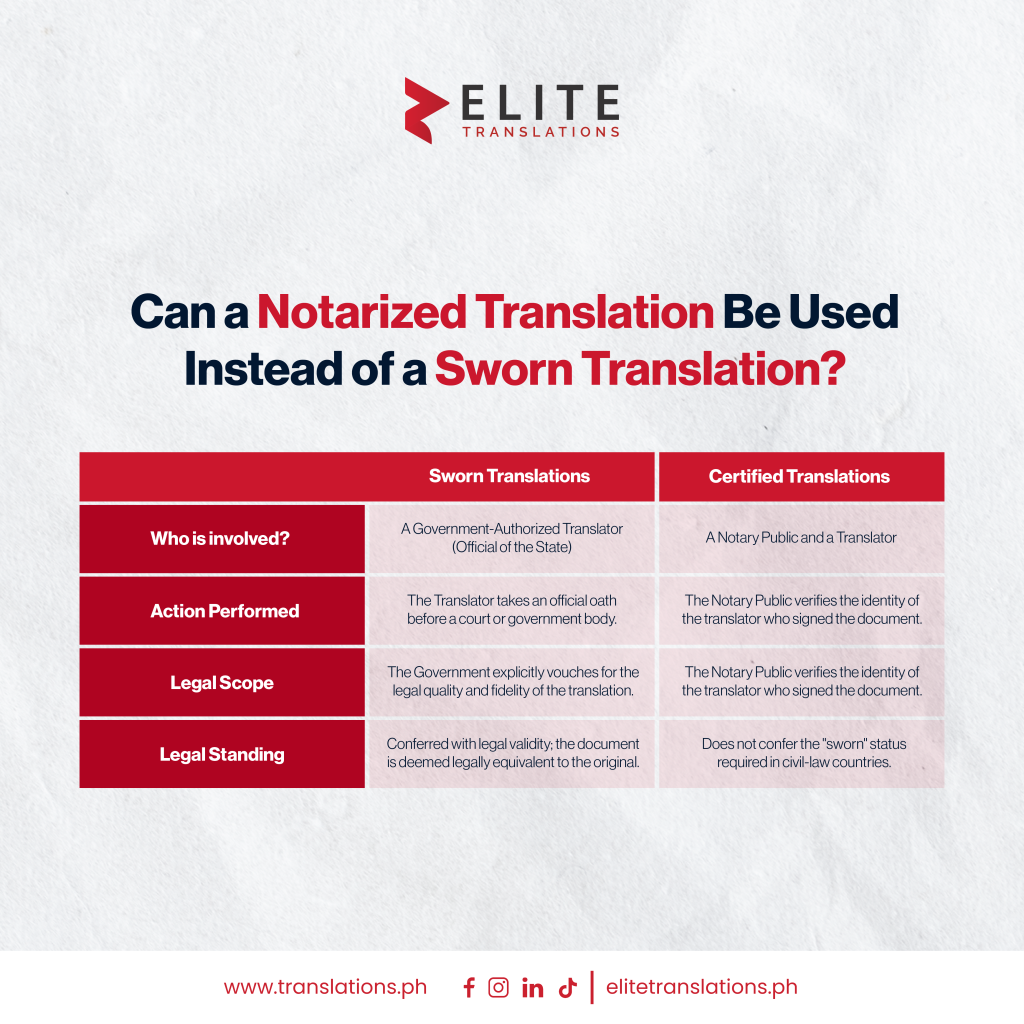
For a notarized translation, a notary public verifies the translator’s identity and signature on the Certificate of Accuracy. Therefore, the notary attests only to the translator’s identity and signing, not to the translation’s accuracy.
In contrast, a sworn translator serves as a state official and takes an oath. Here, the government vouches for the translation’s legal quality and fidelity.
Hence, while a notarized translation adds an extra layer of authentication, it does not confer the legal validity or “sworn” status required by the government authorities in civil-law countries.
How Can Elite Translations Support You?
Elite Translations is an unrivalled leader in providing precise, culturally-sensitive translation services, which includes managing the complexities of official document translations. We are committed to quality, accuracy, and client satisfaction.
- Certified Translations: We provide a professional, signed statement of accuracy from a to ensure acceptance in common-law jurisdictions.
- Sworn Translations: We work exclusively with translators who are officially authorized and accredited by the appropriate foreign government bodies (Ministries or Courts).
- Notarized Translations: We facilitate the notarization process to legally verify the identity of our professional translator.
Secure Your Officially Compliant Translations Now!
Do not leave your important international applications to chance. Contact Elite Translations today to verify your document requirements and begin the process with confidence and certainty.
FAQs
Q: What type of documents require Certified and Sworn Translations?
A: A wide array of official papers requires either a certified or sworn translation for use abroad. Generally, government authorities, courts, or educational institutions accept only documents with these translations.
Q.How do I get a Certified or Sworn Translation through Elite Translations?
A: Simply contact us with your documents. We immediately confirm the required translation type based on the destination country and assign the right professional translator. We deliver the documents physically or electronically so they arrive ready for immediate submission.
Q: Why choose Elite Translations for my official documents?
A: Elite Translations has professional translators accredited for both certified and sworn work. We focus on accuracy, confidentiality, and absolute compliance with international standards