
For years, Filipinos preparing for work, study, or life abroad have been familiar with the “Red Ribbon”—the physical authentication certificate issued by the Department of Foreign Affairs (DFA).
However, the landscape of document authentication has recently undergone a massive digital transformation with the official launch of the Philippine eApostille system.
TL;DR
The Philippines now uses an eApostille PDF, enabling PSA and CHED documents to be processed online within a day without DFA visits, while the digital file is the original and any printout is a copy.
What is the DFA eApostille?
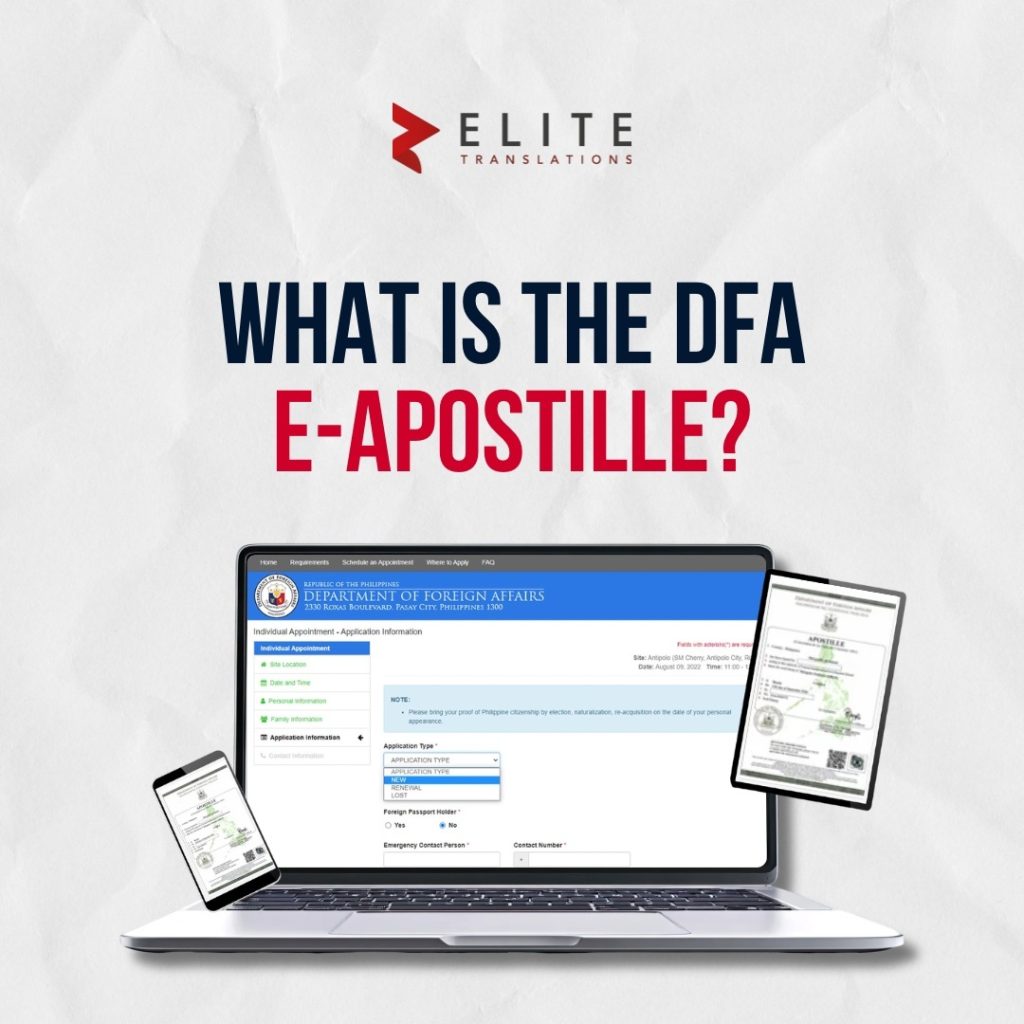
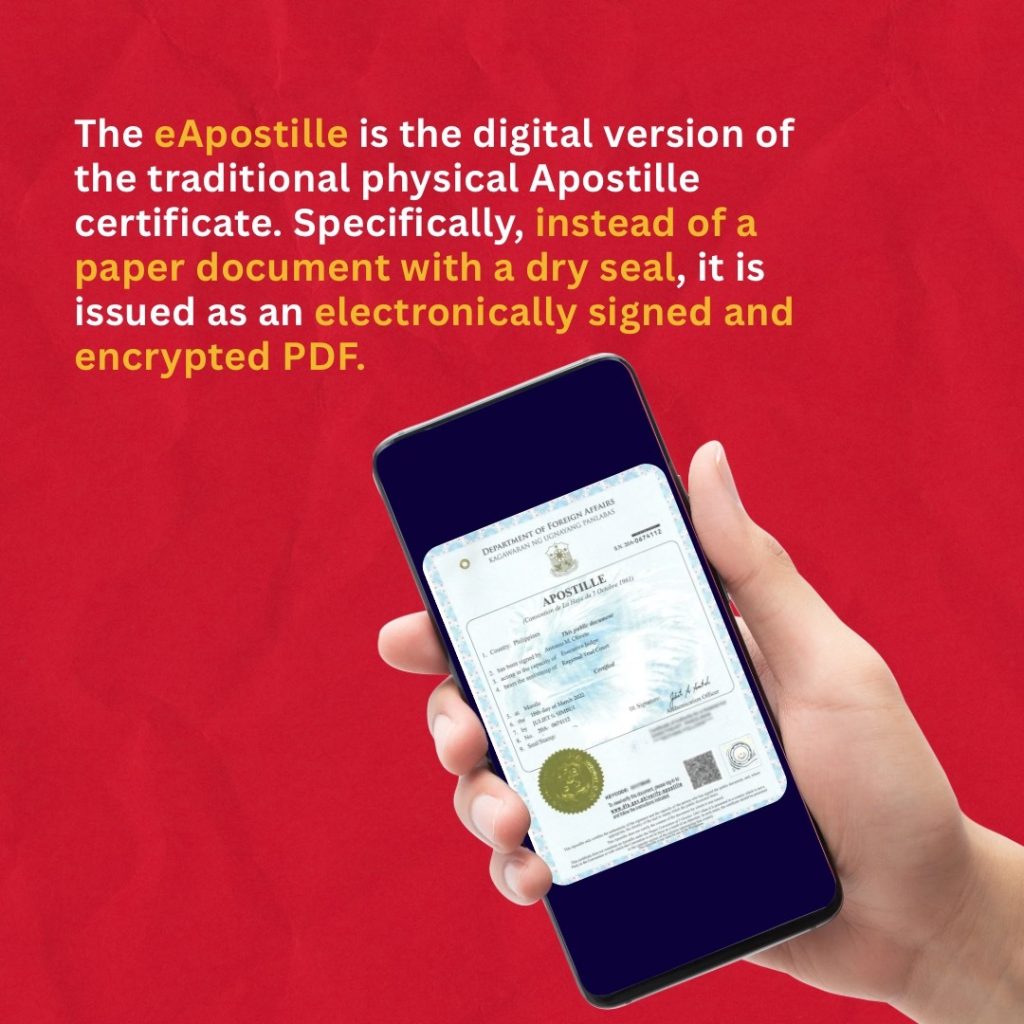
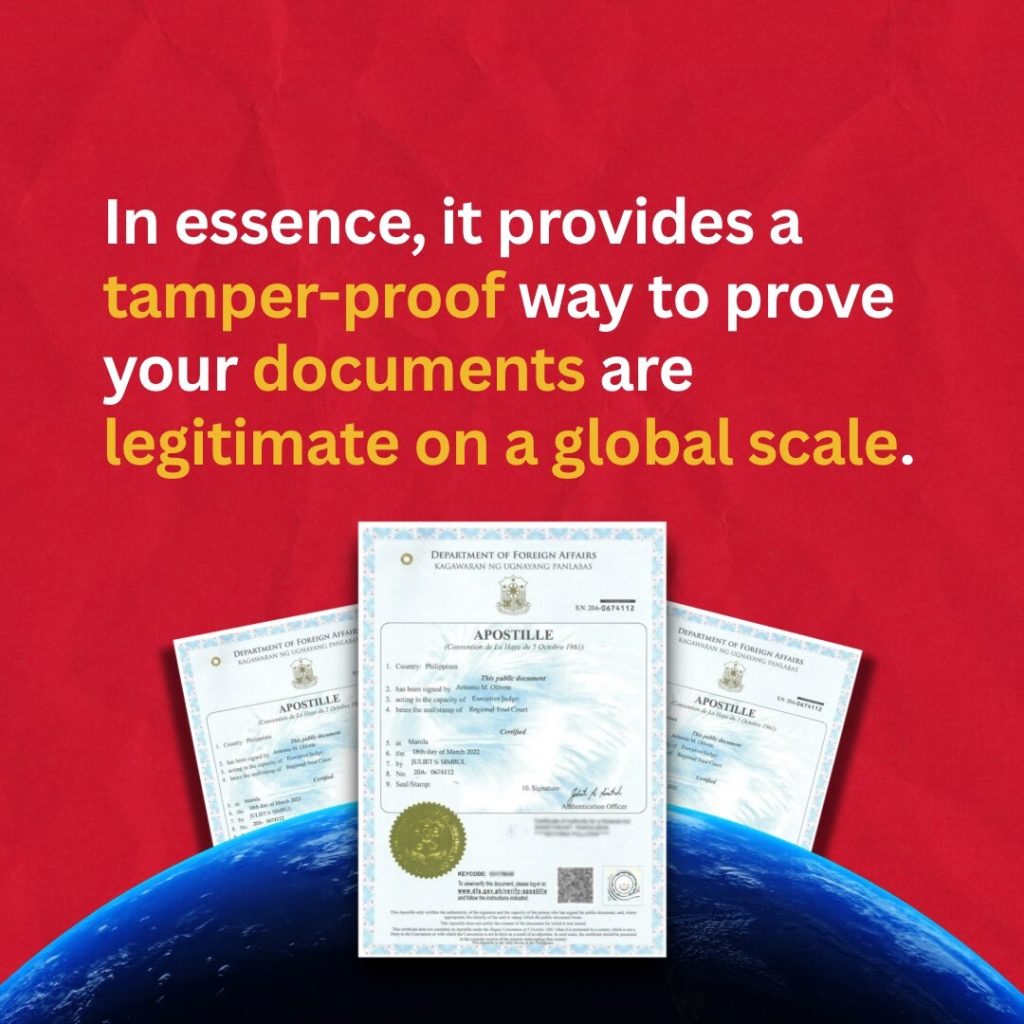
The DFA eApostille is the digital version of the traditional physical Apostille certificate. Specifically, instead of a paper document with a dry seal, it is issued as an electronically signed and encrypted PDF.
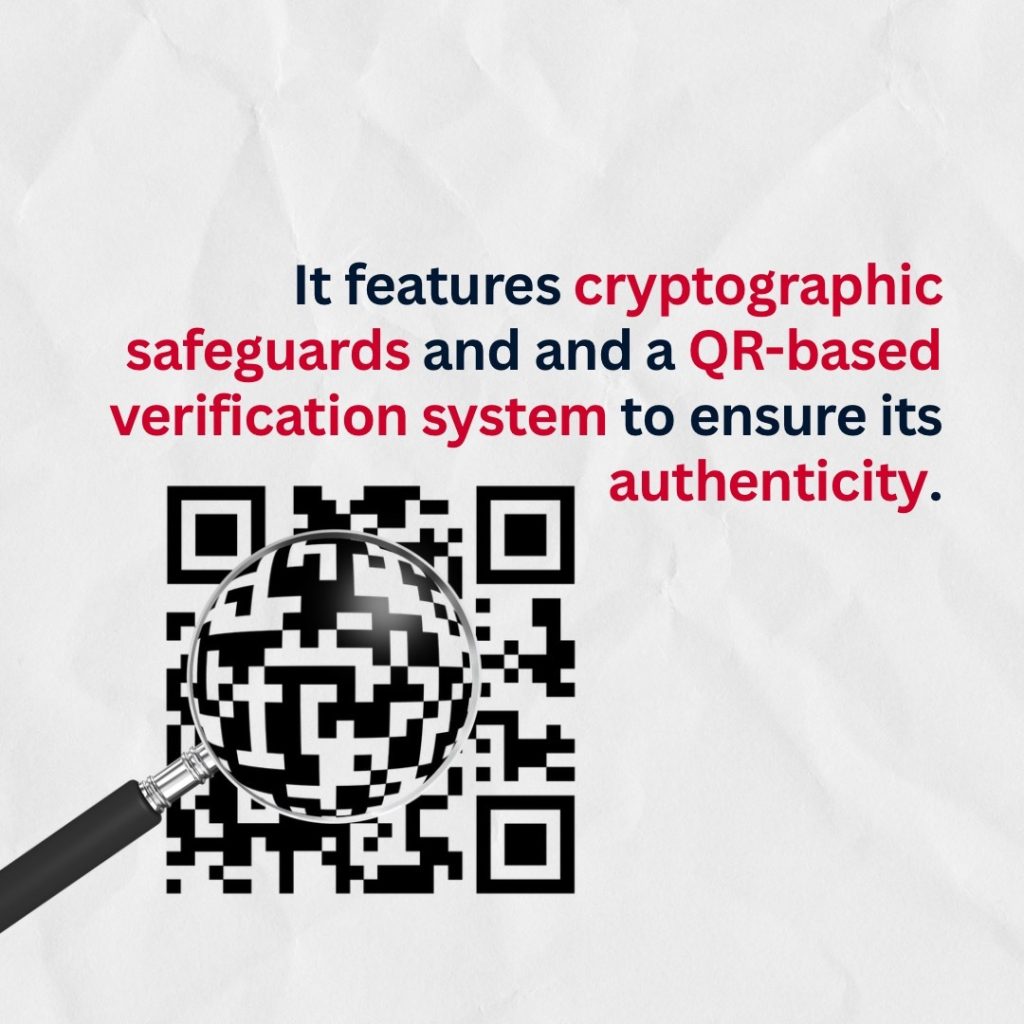
Furthermore, it features advanced cryptographic safeguards and a QR-based verification system to ensure its authenticity. In essence, it provides a tamper-proof way to prove your documents are legitimate on a global scale.
Core Requirements for eApostille 2026
To successfully secure your DFA eApostille, you must meet the following updated criteria:
- Eligible Documents: The system is fully integrated with the PSA (Birth, Marriage, Death certificates, and CENOMAR) and CHED (eCAVs for academic records)
- Identity Verification: The DFA now requires a “Liveness Check”
- Payment: Fees typically range from ₱500 to ₱560 per document, covering both the certificate fee and the eApostille processing
- Digital Recipients: Verify if your destination country is a member of the Hague Apostille Convention
eApostille: A Step-by-Step Guide
The new system is designed for speed, with the ordering process often taking less than ten minutes. Specifically, here is the current procedure for PSA documents:
- Visit the Portal: Go to the official site at www.apostille.gov.ph.
- Order Your E-Cert: Select the document you need and choose the “Direct to DFA Apostille” delivery option
- Complete ID Verification: Perform the required liveness check and upload your ID
- Pay Online: Complete your payment through digital channels
- Download and Send: Once processed (usually within 24 hours), you will receive the eApostille via email.
How Elite Translations Can Help
While the DFA eApostille simplifies authentication, many foreign employers and universities still require your documents to be translated into their local language. This is where Elite Translations steps in:
- Certified and Sworn Translations: We provide the official translations necessary to accompany your eApostille
- Global Compliance: Your digital files are not just authenticated, but also fully understood by authorities in your destination country
- Verification Support: We can help you verify if your specific destination country accepts digital formats
Ready to Prepare Your Documents?
The launch of the fully digital eApostille system is a total game-changer for the Global Filipino.
So, if you’re all set in gooing about your requirements, contact Elite Translations today!
FAQ
Q: Can I still get a paper Apostille?
A: Generally, for PSA and CHED documents intended for Apostille member countries, the DFA has moved to a “digital-only” issuance. However, if the destination country is not a member (e.g., UAE or Qatar), a traditional physical Certificate of Authentication will still be required.
Q: Does the eApostille expire?
A: Technically, the Apostille itself does not expire. Nevertheless, many embassies require that the underlying document (like a PSA birth certificate) be issued within the last six months.
Q: Can I print the eApostille for my own records?
A: Yes, you can. But, be aware that the printed version is often treated as a photocopy.