

From K-pop to beauty products, it’s easy to see just how much Korea has influenced people all over the world.
Beyond all that, though, there’s more to Korea that could still surprise you!
Here’s the lowdown on everything about Korean culture, as well as the important traditions and social customs you must remember while there.
Korean Beliefs and Values
Korea shares a long history with its East Asian neighbors.
In particular, Korea has a strong relationship with Confucianism—a belief system that originated in ancient China.
Many Koreans still follow Confucian rituals and concepts, such as “filial piety,” or respect for elders and hierarchical relationships.
Confucianism, Christianity, and Buddhism are among the most prevalent religions in Korea.
Westernized Ideals
While traditional values are still present in modern-day Korea, many Koreans have already adopted Western values, such as being individualistic and bold in communicating rather than shy.
Many Korean youths also have a higher regard for the thoughts of their peers than their elders.
Additionally, younger generations of Koreans tend to reject traditional gender roles, much like their counterparts in the West.
Nationalism and ‘Han’
Another key aspect of Korean culture is nationalism.
Korea has a longstanding history of division. Because of this, many Koreans collectively share a strong sense of solidarity and national identity, or han (한).
This sense of national pride and unity is paired with Koreans’ strong appreciation of hard work.
Korean Customs and Traditions
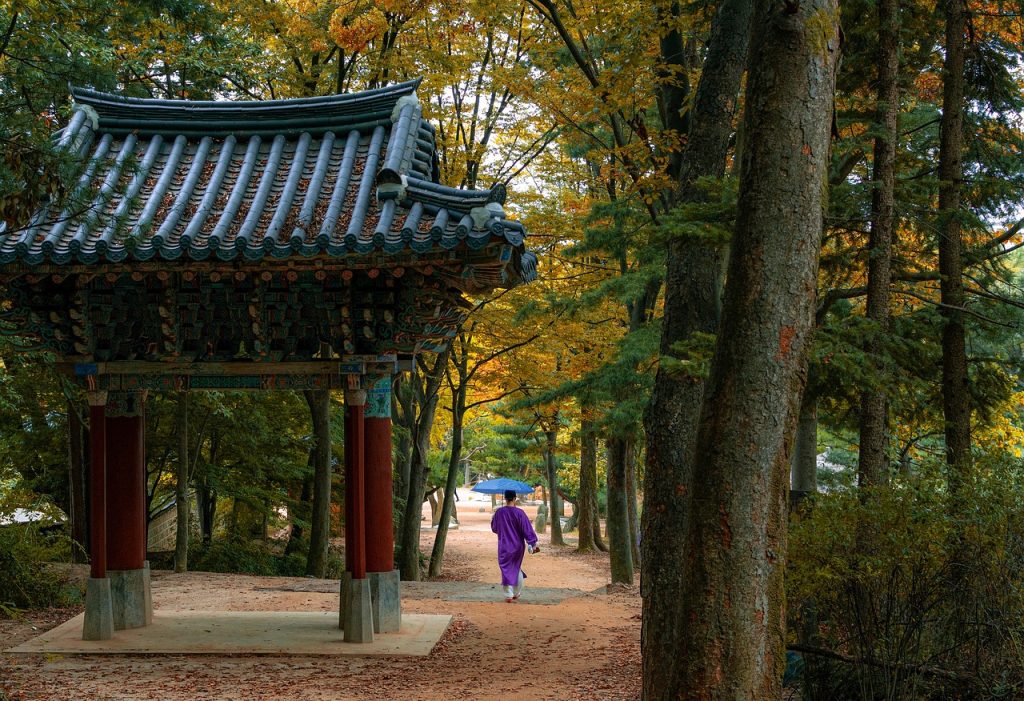
Even though South Korea has progressed over the years as one of the world’s most technologically advanced countries, it remains strongly attached to its centuries-old customs and traditions.
Let’s explore some of them.
Face (Chaemyoun)
Like many other Asian cultures, Korean culture has a concept of “face,” which they call chaemyoun (체면).
Broadly speaking, chaemyoun refers to your dignity, honor, or reputation. In Korea, adherence to chaemyoun can be seen through complimenting others or showing respect to others.
Personal Space
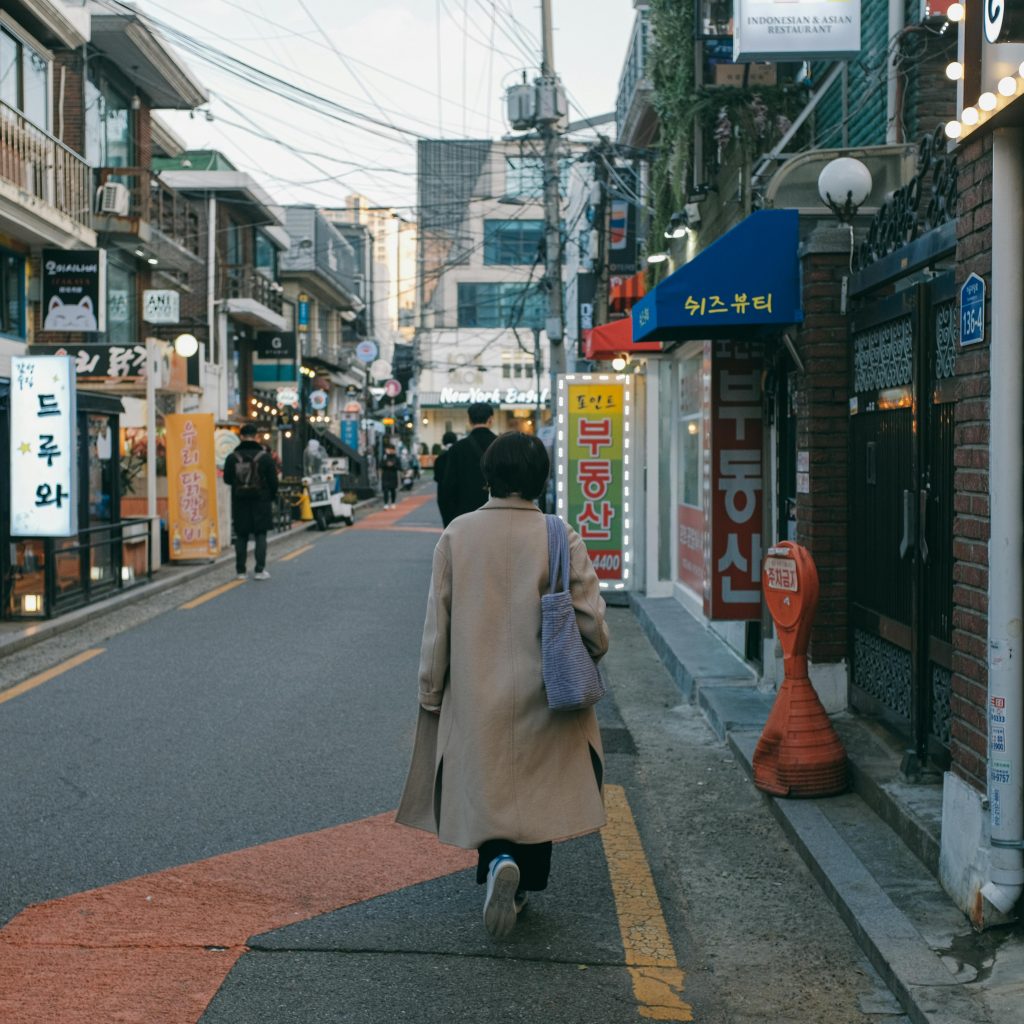
When in Korea, be mindful of others’ personal space!
Koreans value their personal space and aim not to break that of others, especially if they’re not intimately familiar.
Take note of actions that might be seen as inappropriate by Korean locals—for example, hugging and touching.
These are often reserved for families, close friends, and spouses.
Most Koreans bow to greet each other, followed by a handshake. Make sure to use both hands during a handshake!
It would also be ideal to avoid staring and making direct eye contact when in public, which could be seen as inappropriate.
Communal Food and Dining
In Korean food culture, dining is often treated as a “bonding” thing.
Traditional Korean cuisine, or hansik (한식), consists of well-balanced meals with lots of veggies and meat. Usually, Korean food is quite spicy!
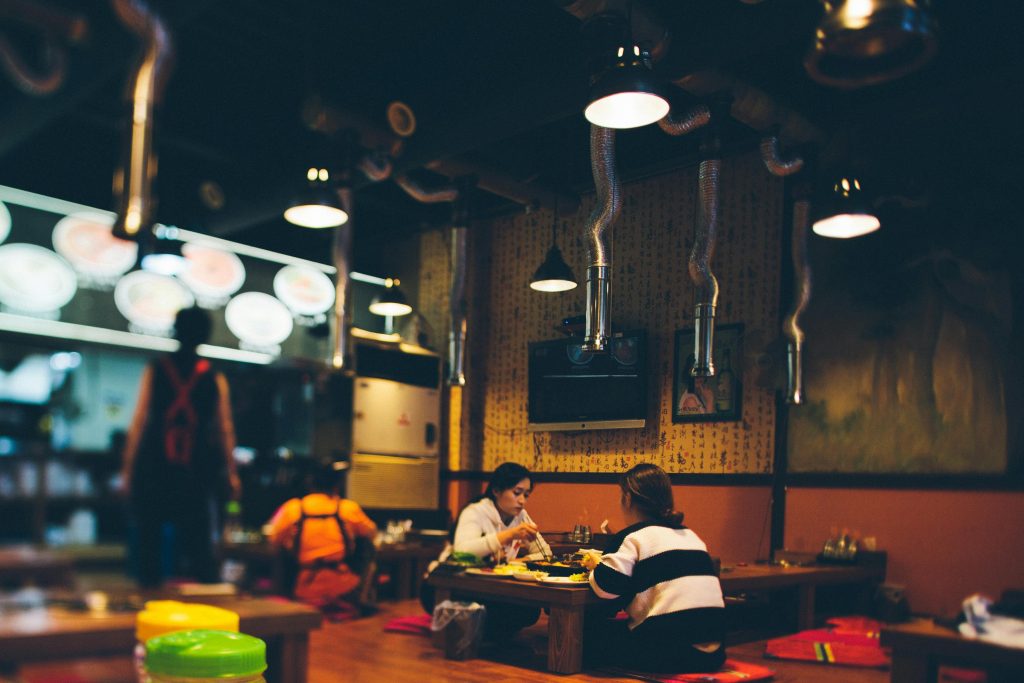
Many Koreans prefer “communal” eating, where people eat (and usually cook) a large batch of dishes in one sitting.
Koreans are known for their K-BBQ, where everyone gets to grill their own choice of meat or seafood while dining. This gives eating together a “family-style” quality!
Aside from K-BBQ, it’s also important to remember Koreans’ affinity with rice and side dishes such as kimchi, a fermented cabbage mixed with pepper powder, which is very popular in Korea.
It’s also common to drink alcohol, such as the famous soju, while having a meal!
Don’t Forget: Dining Etiquette
If you’re the first to pour a drink, pour for other guests as well. It’s considered bad manners to pour a drink for yourself only. The eldest person at the table is also the first one to eat.
It’s also best to avoid blowing your nose at the table, even if the food is too spicy!
Korean Entertainment
Unless you have been living under a rock, you should be aware by now that Korea is a powerhouse of arts and entertainment.
Being the home of the Korean Wave, or Hallyu, South Korea has invested heavily in its cultural programs over the past decades.
As a result, South Korea remains one of the most well-known exporters of pop music, TV and movie entertainment, fashion, and even games and cosmetics.
So, even at least some exposure to these will help you a lot when it comes to getting accustomed to life in Korea!

Tips for Learning Korean Customs and Practices
- Learn basic Korean phrases to express yourself clearly.
- Engage in traditional Korean activities such as tea ceremonies, opportunities to wear hanbok (traditional attire), and Korean martial arts such as teakwondo.
- Explore Korean cuisine! Learn how to read and pronounce food by asking for a menu with translation.
- Have a chat with Korean locals, cultural experts, or your local Korean community.
- Watch a LOT of K-dramas, listen to K-pop, or watch Korean films with subtitles.
Professional and Certified Korean Translator
On your journey to Korea, don’t let your important travel documents fall behind.
Elite Translations has years of experience helping travelers, students, and workers ensure that their documents linguistically meet immigration requirements.
Our network of experts will accurately translate your documents, whether it’s to translate Korean to English, translate Tagalog to Korean, or work with other language pairs.
With our strong track record of client trust, we make sure that every document we work on complies with strict standards for data privacy and security.
Get a FREE quote now, and let’s get to your translation needs!