

The new Pope, Leo XIV, has ushered in a historic chapter for the Catholic Church. By his election, he became the first American-born pontiff. Additionally, he is the first native English speaker to hold the position since the 12th century. His ascension not only symbolizes a shift in geographical representation. It also brings language into sharper focus within one of the world’s most tradition-rich institutions.
As the Church turns the page, language professionals—translators and interpreters—once again step into the spotlight, making sure the Holy See’s message is heard and understood across continents.
The New Pope and the Papal Selection Process
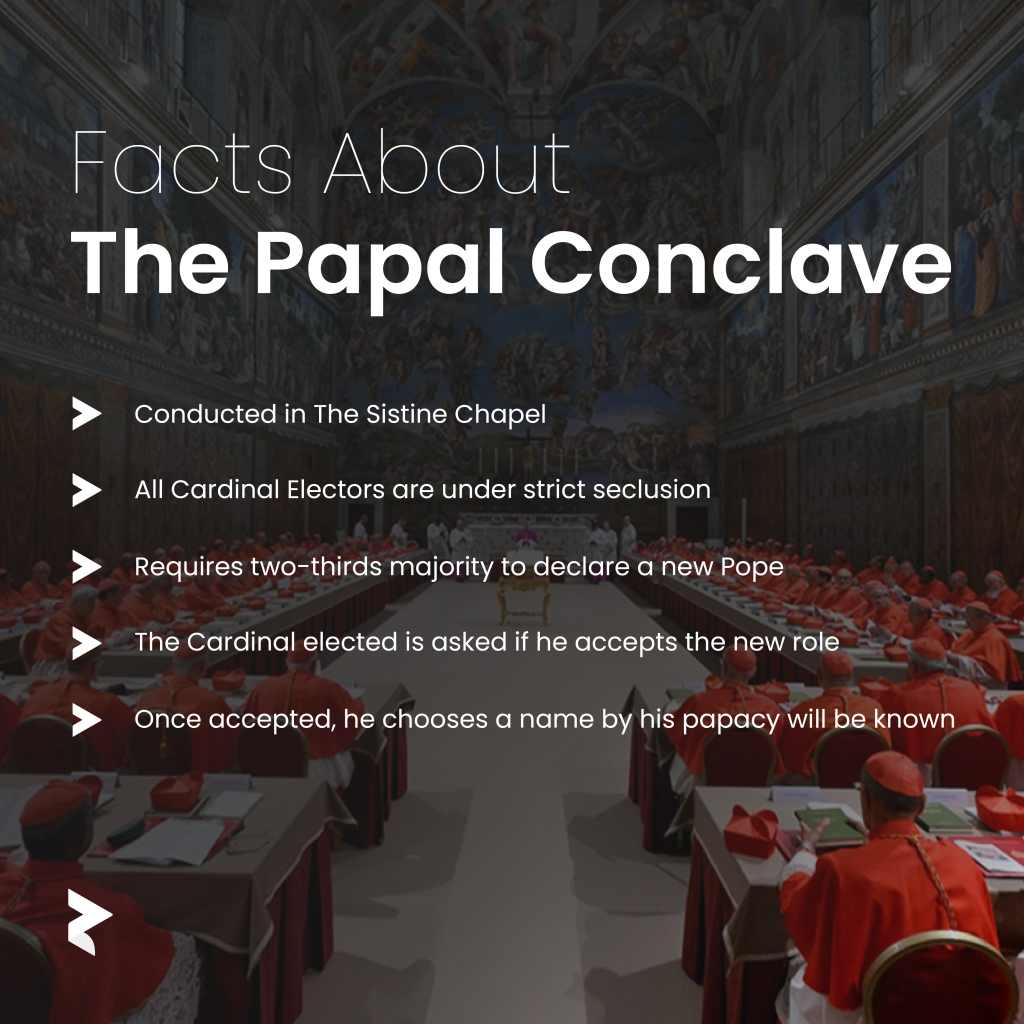
The new Pope was elected in the traditional papal conclave, a sacred and secretive process that has remained virtually unchanged for centuries.
Key facts about the papal conclave:
- Conducted in the Sistine Chapel with all cardinal electors under strict seclusion
- Requires a two-thirds majority vote to elect a new pope
- After the vote, the cardinal chosen is asked if he accepts the role
- Once accepted, he chooses a papal name and is introduced from the balcony of St. Peter’s Basilica
This timeless ritual reflects the Church’s enduring identity, but it also raises an important modern question: how does a message spoken in Latin or Italian reach the ears of a diverse, global congregation?
The New Pope’s First Appearance
When the new Pope steps onto the balcony for his first address, he follows a precise script:
“Habemus Papam!” – “We have a Pope!”
Then, he delivers the Urbi et Orbi blessing, which means “to the city [of Rome] and to the world.” Traditionally, he speaks this blessing in Latin to underscore the universal mission of the Catholic Church. However, fewer people today understand Latin. Hence, interpreters play an essential role during these moments.
Interpreters ensure that:
- The Pope’s initial blessing is understood in real time by global viewers
- Translations maintain both the doctrinal accuracy and the emotional resonance of his words
- Audiences across different cultures receive the message in a context that feels familiar and respectful
The History of Latin In The Church
The continued use of Latin in the Catholic Church often raises questions. More so, we live in an era where most Catholics speak modern languages. So, why does Latin endure?
Historically, the Church adopted Latin as its official language after the Western Roman Empire chose it for governance and administration. Naturally, as Christianity expanded across Europe, the Church established Latin as the shared medium for theology, scholarship, and liturgy.
Over time, it gained spiritual authority as well. Key moments in this transition include:
- St. Jerome’s Vulgate – He translated the Bible into Latin in the 4th century, creating the Vulgate, which the Church recognized as its official Scripture.
- Papal decrees and councils – Popes and Church councils wrote and preserved most decrees in Latin throughout history.
- The Roman Rite – The Church formally introduced Latin into the Roman Rite liturgy as early as the 2nd century.
Even today, the Church keeps Latin deeply rooted in its practice. Priests now celebrate most Masses in the local language following the reforms of Vatican II. However, the Church still assigns Latin a vital role.
Ultimately, the Church preserves Latin because it offers clarity, consistency, and tradition. Furthermore, it unites a global Church under one heritage and establishes a reference point for doctrine and ritual—no matter the language spoken in the pews.
Lingua Sacra: Why Translation Still Matters

Although the Church uses Latin to uphold formality and consistency, skilled translators bring its teachings to life in the real world. From papal encyclicals to pastoral letters, translators render Church documents accurately in various languages.
Consider this:
- Translators have made the Bible the most translated book in the world, with versions in over 3,500 languages.
- They translate papal documents into dozens of languages to support global dioceses.
- They preserve theological nuance to prevent misinterpretation or doctrinal conflict.
This requires translators with deep knowledge of both language and theology. Specifically, professionals who can bridge sacred meaning and modern understanding.
The New Pope and the Interpreters Who Support the Church
Beyond written documents, interpreters drive real-time religious communication. From Vatican press briefings to large-scale missionary events, they deliver simultaneous interpreting that powers the Church’s dialogue with the world.
Where interpreters are indispensable:
- They support international gatherings like World Youth Day.
- Interpreters facilitate synods and councils involving clergy from different continents.
- They guide multilingual Masses and community outreach programs.
- Interpreters accompany papal visits to non-English or non-Italian speaking countries.
Elite Translations’ Experience in Handling Religious Events
At Elite Translations, we understand this special dynamic. We support religious events with professional interpreting services. Specifically, we provided simultaneous interpreting equipment rental for a recent nine-day missionary event hosted by a Catholic congregation. Through seamless setup and real-time delivery, we ensured that every prayer, homily, and testimony reached every listener with clarity and impact.
Church Documents: Supporting the Faithful
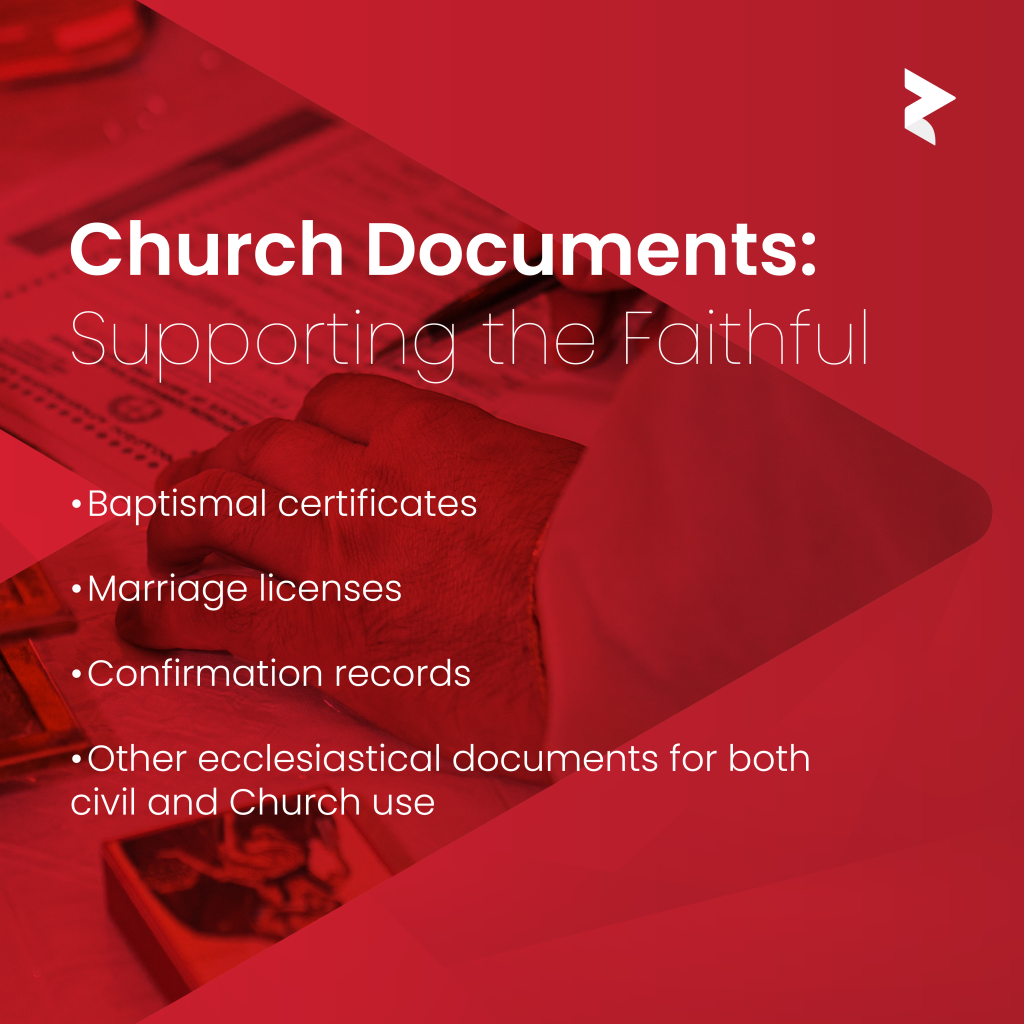
Apart from public events, language professionals support individuals as they navigate the administrative side of religious life. From immigration to sacramental recordkeeping, translators ensure that every document meets the required standards.
Elite Translations has assisted in the translation of:
- Baptismal certificates
- Marriage licenses
- Confirmation records
- Other ecclesiastical documents for both civil and Church use
We understand the importance of precision, confidentiality, and cultural context when dealing with faith-related paperwork.
Embracing the New Pope’s Global Mission
The election of the new Pope marks a continued push toward inclusivity and globalization within the Catholic Church. As language professionals, we proudly support this mission and make both sacred and administrative messages accessible to all, regardless of language.
Whether you're organizing a multilingual religious event, preparing Church documents for legal submission, or translating pastoral materials for your parish—Elite Translations is here to serve.
Get in touch with us today to learn how our interpreting and document translation services can support your community. Let’s work together in building a world where every message of faith is heard, understood, and felt.