

Are you a Filipino worker dreaming of a high-paying career in East Asia? Before you can pack your bags, you must first cross one crucial hurdle: namely, the South Korea EPS-TOPIK.
South Korea remains one of the top destinations for overseas employment, not only because of excellent wages but also due to its safe working conditions and labor protections.
TL;DR
The Employment Permit System-Test of Proficiency in Korean (EPS-TOPIK) serves as the official gateway for foreign nationals seeking employment in South Korea’s bustling manufacturing, construction, and agricultural sectors.
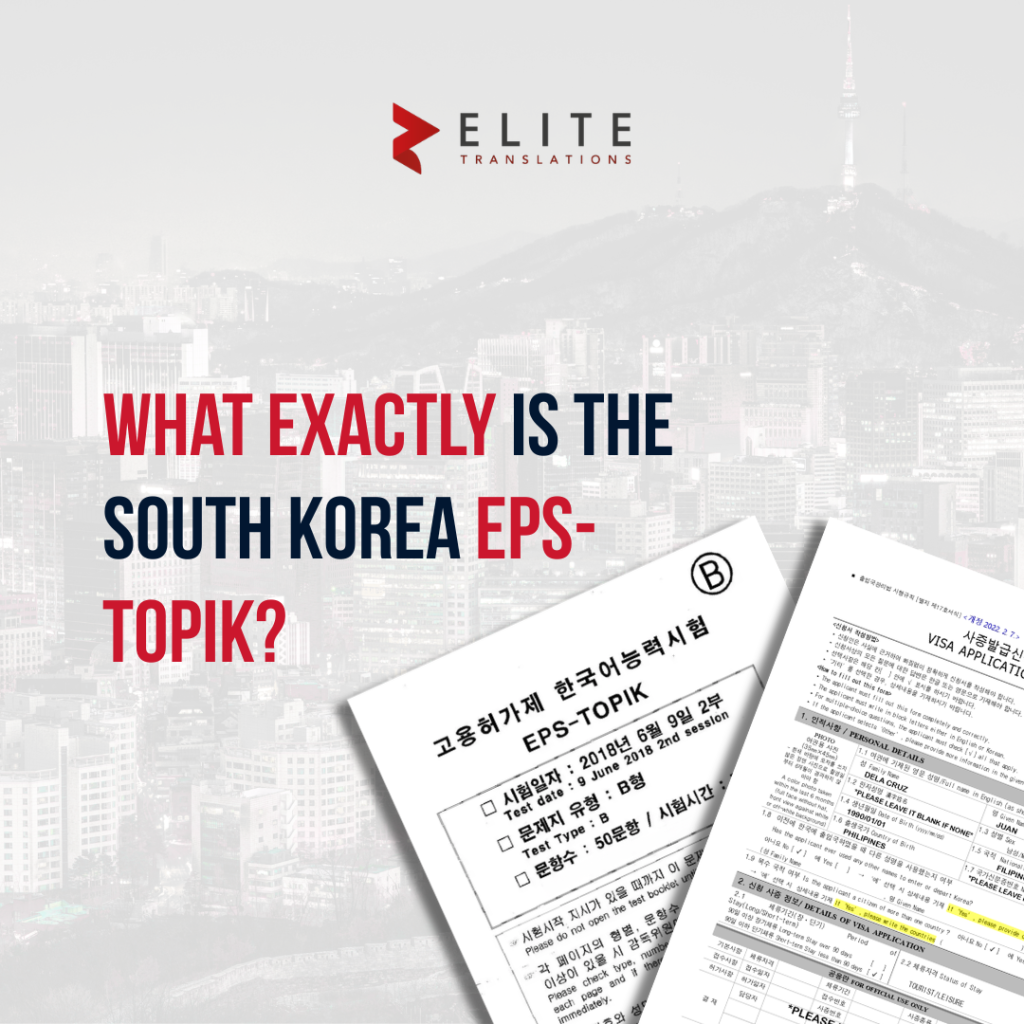
What exactly is the South Korea EPS-TOPIK?
The Ministry of Employment and Labor of South Korea administers the South Korea EPS-TOPIK to evaluate the language abilities of foreign employees.
Therefore, the Korean government wants to ensure that you can perform your duties efficiently and navigate daily life without communication barriers.
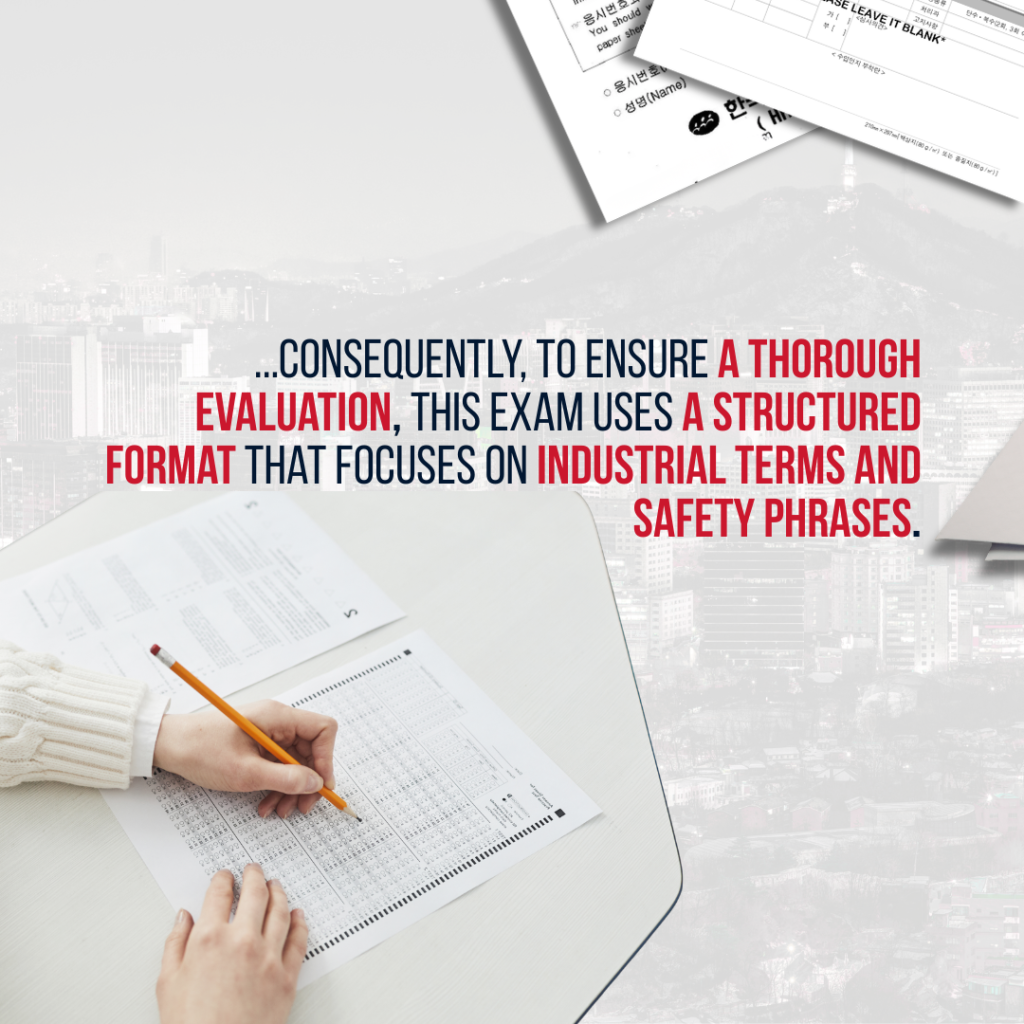
Consequently, to ensure a thorough evaluation, this exam uses a structured format that focuses on industrial terms and safety phrases.
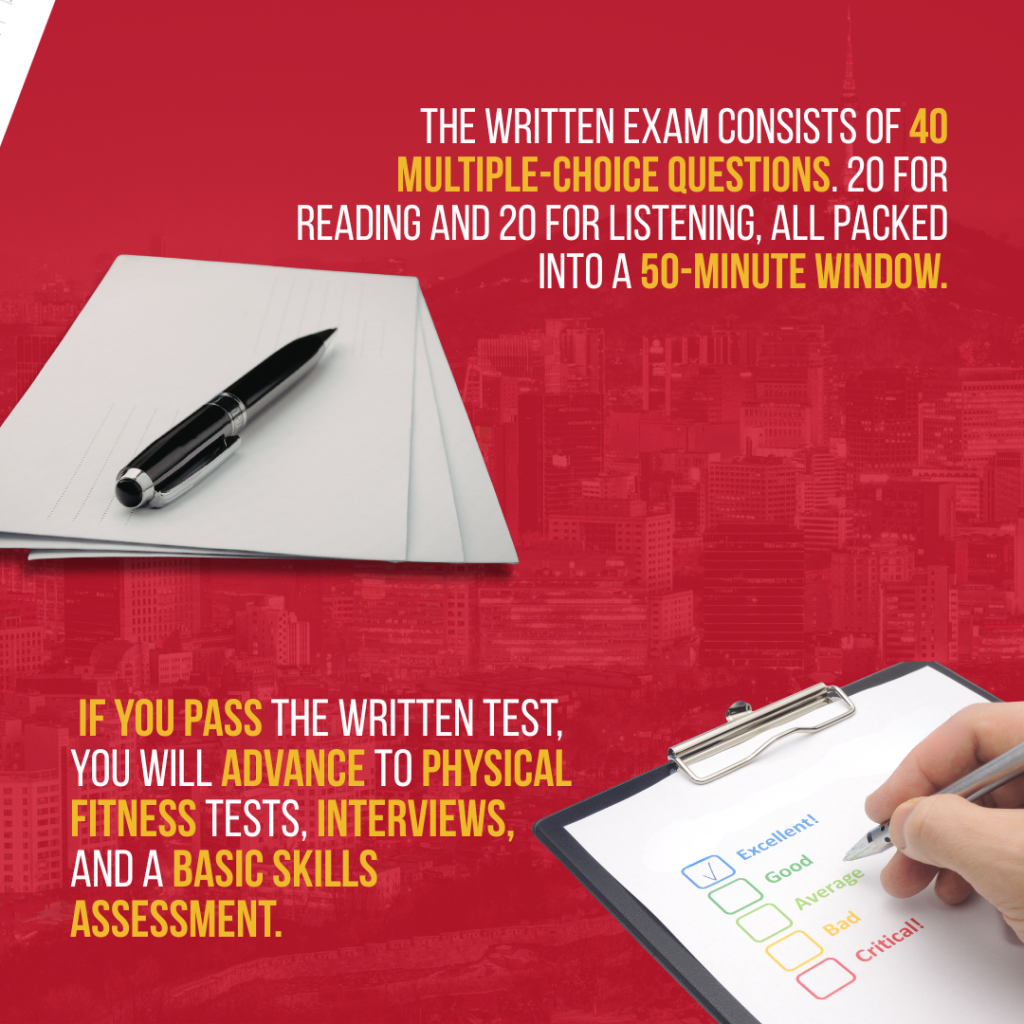
- The Written Exam consists of 40 multiple-choice questions. 20 for reading and 20 for listening, all packed into a 50-minute window.
- Skills & Competency If you pass the written test, you will advance to physical fitness tests, interviews, and a basic skills assessment.
Admittedly, passing the exam does not automatically guarantee a job, but it nevertheless places your name on the Department of Migrant Workers roster.
Subsequently, Korean employers select workers from this pool. Furthermore, because your test score remains valid for two years, achieving a high score increases your chances of selection.
South Korea EPS-TOPIK: Document and Language Hurdles
To begin with, the South Korean government demands absolute precision.
Therefore, a single mistranslated certificate or a mismatched name on an employment record can disqualify your application.
Furthermore, you must master specialized terminology because the exam tests your understanding of machinery operations, safety warnings, and labor contracts.
Consequently, a minor misunderstanding during your registration or
document submission can derail your entire timeline.
How Elite Translations Could Help You on Your EPS-TOPIK Application
Indeed, with over 15 years of industry experience, Elite Translations Philippines specializes in bridging the gap between Filipino workers and foreign authorities.
- Certified and Sworn Translations Elite Translations provides officially recognized, Certified Translations complete with a signed Certificate of True Translation
- Legal and Technical Localization Elite Translations utilizes a network of native linguists to translate documents with flawless cultural sensitivity and technical accuracy
- Document Attestation Support They handle your paperwork securely and efficiently, allowing you to focus your energy on studying for the listening and reading subtests
Ultimately, the road to landing a job in South Korea demands dedication,
hours of language practice, and, ultimately, flawless administrative execution.
Ready to take on the South Korea EPS-TOPIK today?
By combining your hard study habits with the professional linguistic expertise of Elite Translations Philippines, you protect your investment and supercharge your career prospects.
Contact Elite Translations today to get a quote for your application documents.
FAQs
- Can I apply for a job in South Korea if I have color blindness?No. The Selection System states that individuals with color blindness or color weakness are ineligible to pass the medical and skills portion of the exam.
- How long does my EPS-TOPIK score remain valid?
Your test result remains valid for two years from the date the government announces the official results. - Do I need to hire an illegal third-party agency to find a Korean employer?
No. The Employment Permit System operates as a government-to-government program between the Philippines’ Department of Migrant Workers (DMW) and HRD Korea