

For many Filipino students, studying abroad is both an academic goal and a long-term life plan. Among European destinations, public Universities in Spain continue to stand out for their affordability, academic reputation, and accessible pathways for international students. However, navigating university admissions, document requirements, and visa procedures requires careful preparation and strict compliance with Spanish regulations.
This guide explains how such institutions work, why they are attractive to students, and what documentation is required. It also outlines how professional language support plays a crucial role in ensuring a smooth and successful application.
TL;DR
Public universities in Spain deliver affordable, high-quality education through government-funded institutions that follow the European Bologna system. Filipino students apply directly to universities by submitting academic credentials and supporting documents. However, universities and consular offices require applicants to apostille and swear-translate all non-Spanish documents into Spanish.
Why Do Students Choose Public Universities in Spain?
Overall, cost represents only one reason Spain appeals to Filipino students. In fact, Spain combines strong academic standards with broad international recognition. Public universities charge significantly lower tuition than many Western countries, especially at the undergraduate level.
Moreover, Spanish public universities operate under the Bologna system.
This system ensures degree compatibility across Europe and aligns academic training with practical skills. As a result, graduates earn credentials that institutions and employers widely accept within and outside Spain.
Additionally, many public universities offer English taught programs, particularly at the master’s level. Incidentally, this option allows Filipino students to begin their studies while they gradually build Spanish language proficiency.
What are the top Public Universities in Spain?

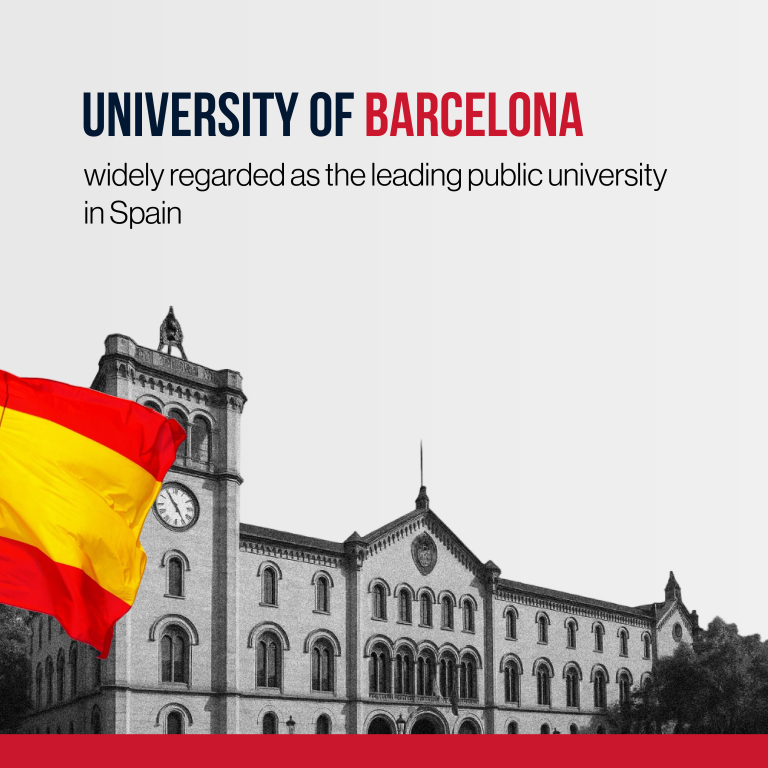
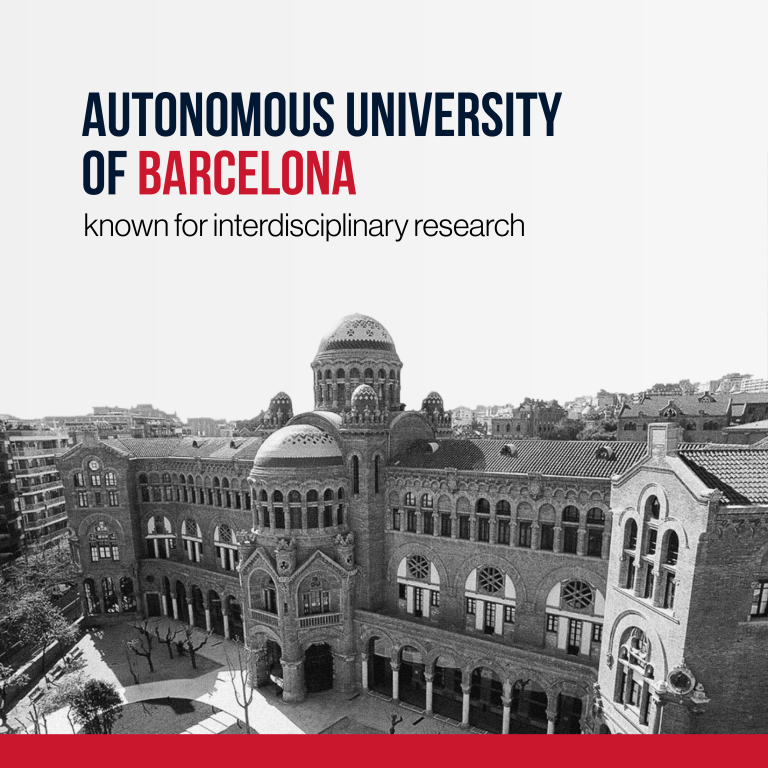
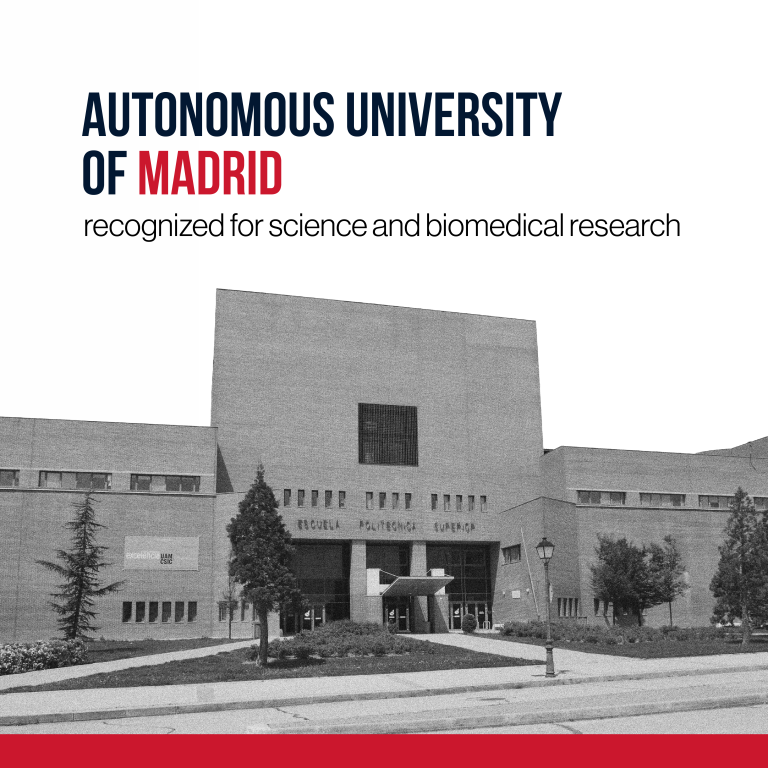
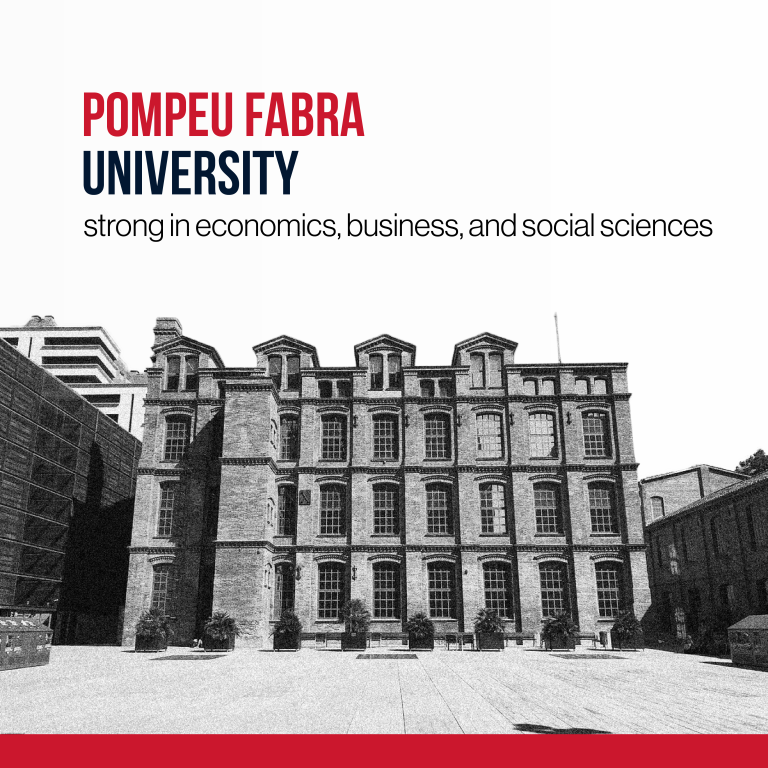
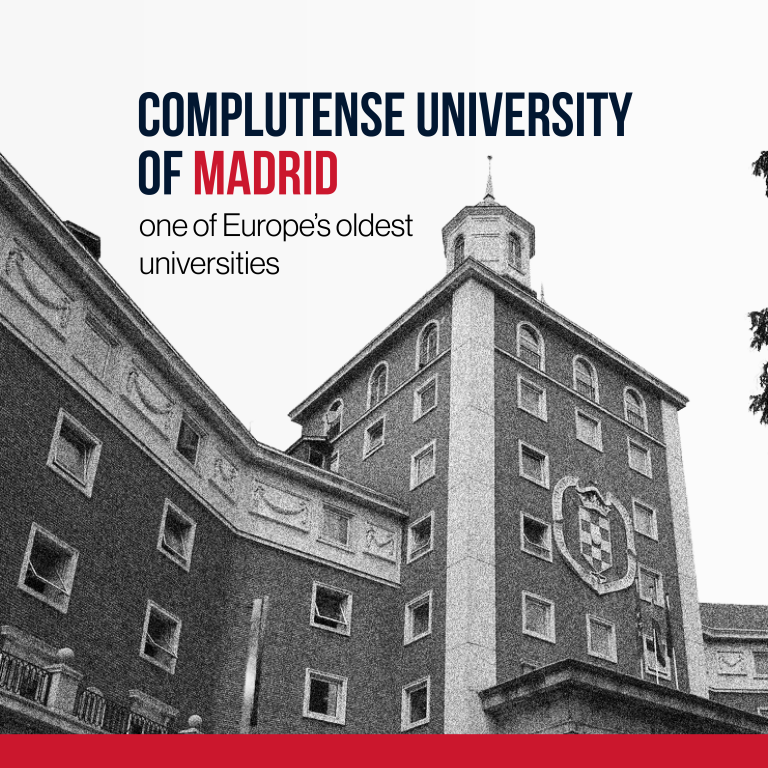
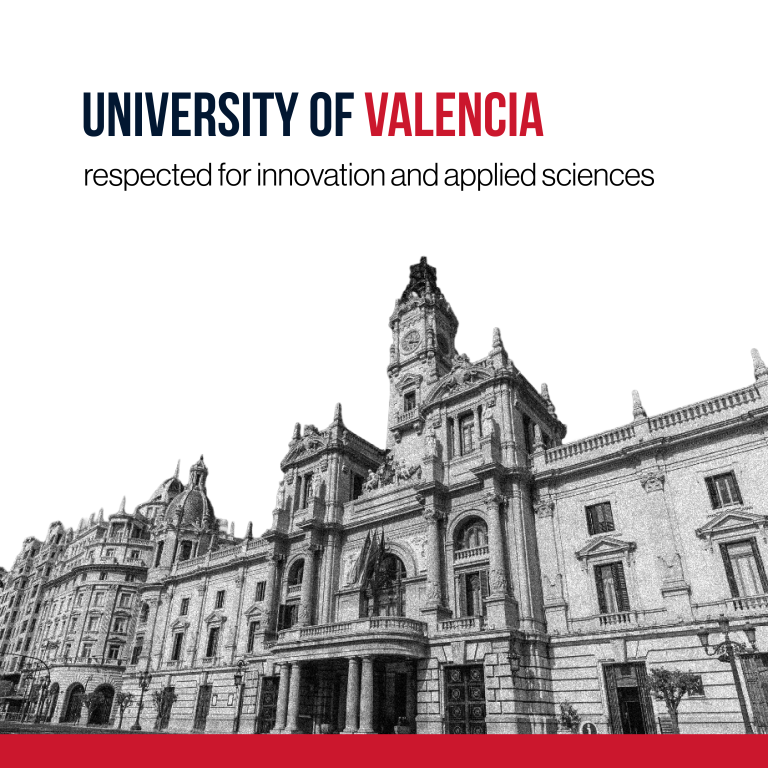
Several institutions consistently stand out for academic excellence and global reputation. Statistically, these universities host large international communities and offer diverse programs.
Notable public universities include:
- University of Barcelona, widely regarded as the leading public university in Spain
- Autonomous University of Barcelona, known for interdisciplinary research
- Complutense University of Madrid, one of Europe’s oldest universities
- Pompeu Fabra University, strong in economics, business, and social sciences
- Autonomous University of Madrid, recognized for science and biomedical research
- University of Valencia, respected for innovation and applied sciences
Together, these institutions demonstrate why public universities in Spain remain competitive on a global scale. Ultimately, students benefit from both academic rigor and vibrant campus environments.
How Do You Apply for Public Universities in Spain?
First, students select a university and program that match their academic background and language ability. Remember, entry requirements typically include a secondary diploma for bachelor’s degrees or a completed four year degree for master’s programs.
Next, applicants submit an online application through the university’s portal. Required documents usually include:
- Academic transcripts and certificates
- A valid passport
- Statement of Purpose
- Curriculum Vitae
- Academic recommendation letters
Afterward, universities review applications, and this process may take several weeks. Then, students receive an official admission or enrollment letter upon acceptance. Therefore, timely preparation remains critical, especially for competitive programs with limited slots.
What Documents Are Required in Spain For a Student Visa?
Importantly, documentation is one of the most critical aspects of applying in Spain. Remember, both universities and Spanish consulates require properly authenticated records.
Commonly required documents include:
- Academic transcripts and diplomas
- Passport copies and photos
- University admission or enrollment letter
- Proof of financial capacity
- Proof of accommodation
- Health certificate and insurance
- Police clearance for long-term stays
Crucially, any document not originally in Spanish must be legalized with a Hague Apostille and accompanied by a sworn Spanish translation. Inevitably, applications are often delayed or rejected outright without these.
Can Students Stay in Spain After Graduating?
After graduation, many Filipino students actively explore ways to remain in Spain legally. Commonly, programs lasting longer than six months require a Type D student visa, and this visa allows students to work part time during their studies.
Later, graduates actively apply for work permits or pursue further studies. Over time, consistent legal residence through study and employment qualifies graduates for permanent residency. Hence, studying there actively serves as a foundation for long term settlement.
How Can Elite Translations Support Applications You?
Truthfully, document compliance remains one of the most common obstacles for Filipino applicants. Elite Translations supports students by ensuring that all paperwork meets Spanish academic and consular standards.
Our services include:
- Certified and sworn translations of academic records, PSA certificates, police clearances, and other required documents
- Apostille and notarization coordination to ensure legal validity in Spain
- Document formatting and consistency checks, reducing the risk of clerical errors
- Fast turnaround services, ideal for tight admission and visa timelines
Therefore, by working with Elite Translations, students reduce the risk of costly delays and focus on preparing for their studies.
Ready to Begin Your Journey?
Planning to study in Spain requires more than choosing a university. It demands accuracy, compliance, and careful document preparation.
With your paperwork in order, your path to Spain becomes far clearer. Contact Elite Translations today!
FAQs
Q: What are the top Public Universities in Spain?
A: Leading institutions include the University of Barcelona, Autonomous University of Barcelona, Complutense University of Madrid, Pompeu Fabra University, Autonomous University of Madrid, and the University of Valencia.
Q: How do Filipino students apply to Public Universities in Spain?
A: Applications are submitted online directly to the university. Students provide academic records, a passport, CV, SOP, and recommendation letters. Once admitted, they proceed with a student visa application.
Q: Do documents need to be translated for Public Universities in Spain?
A:Yes. All non-Spanish documents must be apostilled and sworn-translated into Spanish to meet university and consular requirements.